
We've all heard the myths about what makes a great burger, but how many of them actually hold up? Let's start with the idea that juiciness solely comes from fat content. It's easy to assume more fat equals more juice, but there's more to it. Proper cooking techniques and the right seasoning can transform even lean beef into a mouthwatering patty. And what about flipping? Contrary to popular belief, flipping your burger multiple times doesn't dry it out; it actually promotes even cooking. Want to know more about the perfect meat to fat ratio and other burger secrets? Stay with us.
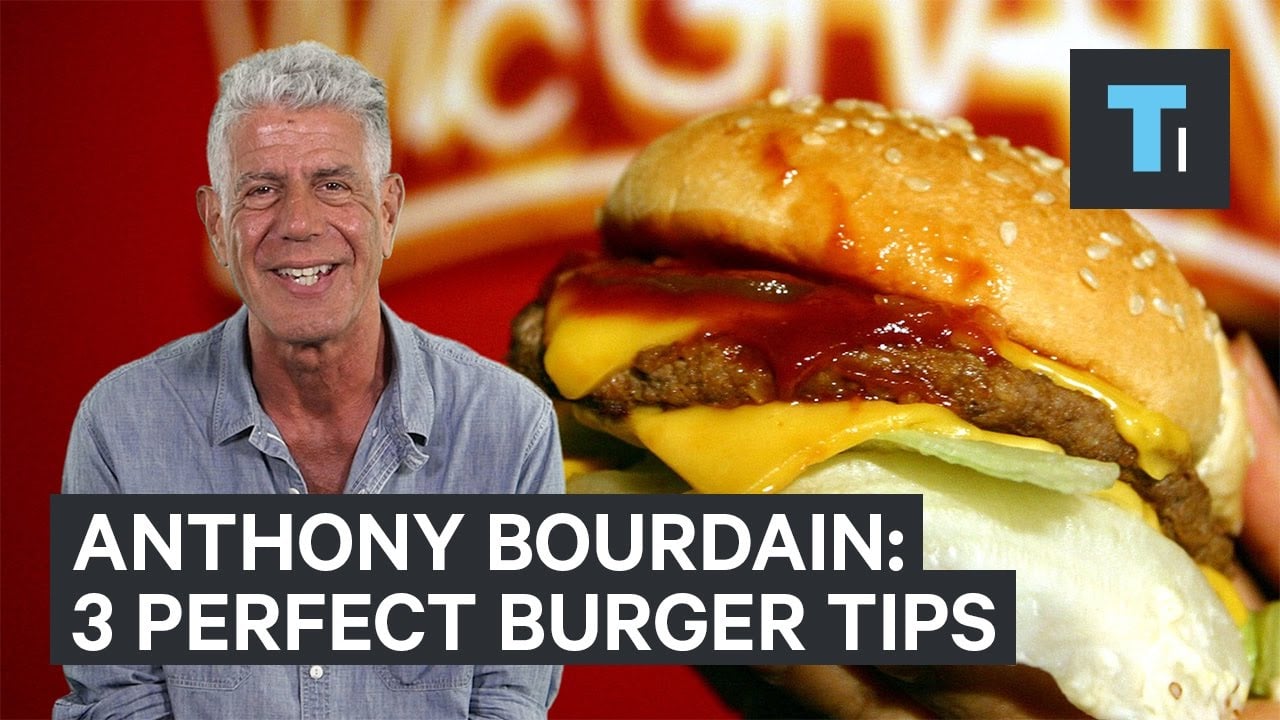
When it comes to crafting the perfect burger, we often hear that fat content is the ultimate key to juiciness. Let's debunk that myth. While fat does contribute to a burger's juiciness, it's not the only factor. Cooking method, meat quality, and even seasoning play significant roles.
Leaner beef can still yield a juicy burger if we cook it properly and avoid overdoing it.
Balancing fat content is pivotal. Too much fat can make the burger greasy, while too little can leave it dry. By experimenting with different meat-to-fat ratios, we can discover that sweet spot where juiciness meets flavor without overwhelming greasiness.
Additionally, patty thickness influences how well the burger retains moisture. Thicker patties tend to stay juicier during cooking.
Seasoning also makes a difference. Properly seasoning the meat before cooking ensures that flavors enhance the natural juices, leading to a more satisfying bite.
Cooking temperature matters too; a moderate heat allows the burger to cook evenly, keeping the juices locked in.
Let's get straight to the truth about flipping burgers. Many of us have heard that flipping a burger too much will dry it out, but that's just a myth. In fact, controlled experiments have shown that flipping burgers multiple times can lead to juicier and more evenly cooked patties. Here are the key facts we need to know:
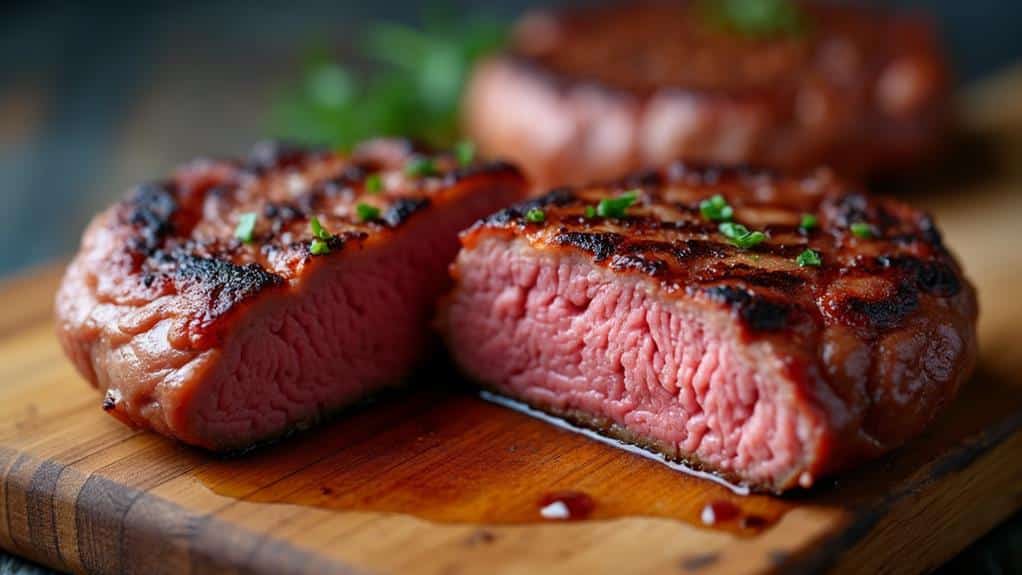
Finding the perfect meat to fat ratio is vital in crafting the ultimate burger. We've discovered that an 80/20 ratio—80% lean meat and 20% fat—offers the best balance for flavor and moisture. This combination results in a juicy, flavorful patty that isn't overly greasy.
When we experimented with higher fat content, like 70/30, the burgers turned out greasier, which can be off-putting. On the other hand, leaner ratios, such as 90/10, led to drier patties, missing that succulent bite we all crave. The key takeaway is that the ideal ratio enhances both texture and taste, ensuring the burger is cooked to perfection.
Finding your personal sweet spot might require some experimentation. While 80/20 is generally recommended, some might prefer a slightly different balance. It's about achieving that satisfying consistency in every bite.
So, next time you're at the butcher or supermarket, pay attention to the meat to fat ratio.
Getting it right is a pivotal step in the burger-making process. It's not just about juiciness; it's about creating a well-rounded, delicious burger experience that hits all the right notes.
After mastering the perfect meat to fat ratio, it's time to contemplate another critical component of a great burger: the bun. Toasting buns isn't just about a golden-brown appearance; it greatly enhances the burger experience.
Here are four key benefits of toasting buns:
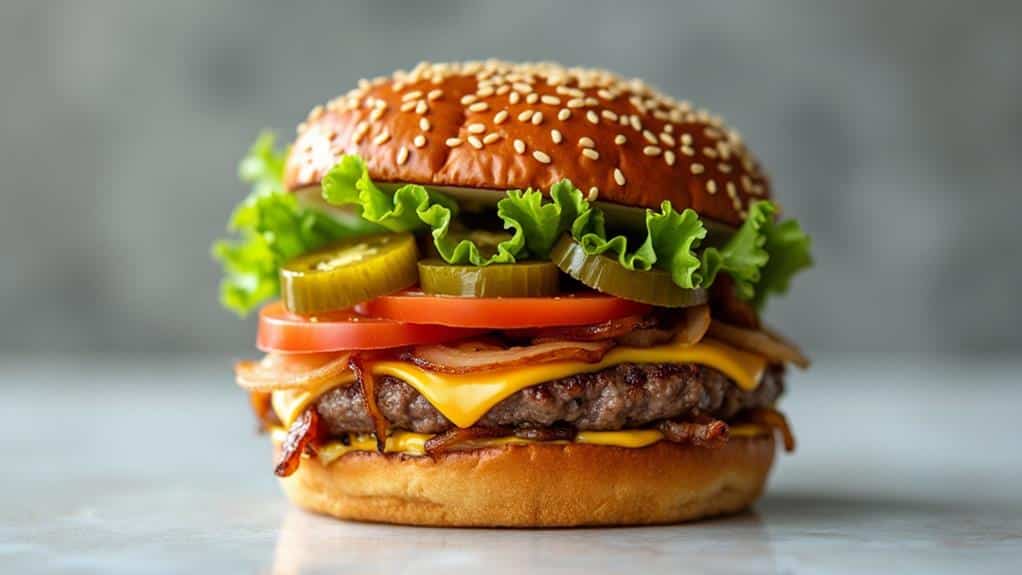
Understanding the importance of toppings placement can greatly enhance our burger game. Through our experiments, we've discovered that where we place our toppings can affect both stability and juiciness. Placing toppings strategically can also influence soakage and grease levels, ultimately impacting the overall taste and texture of our burgers.
One key insight is that placing toppings on the bottom, directly under the patty, can make a significant difference. This approach allows juices from the patty to seep into the toppings, adding flavor without making the bottom bun too soggy. Conversely, placing toppings on top can help maintain the burger's structure, keeping it intact for a cleaner eating experience.
Here's a quick breakdown of our findings:
| Topping Position | Impact on Stability | Impact on Juiciness |
|---|---|---|
| Bottom | Moderate | High |
| Top | High | Moderate |
| Mixed Layers | High | High |
| Side Placement | Low | Low |
While the placement of toppings can greatly influence a burger's taste and texture, the topic of seasoning often sparks its own set of debates. Many of us believe that seasoning is essential for a delicious burger, but that's not entirely true. Through our research and experiments, we found that high-quality meat can indeed stand alone in flavor. Here are some key points to bear in mind:
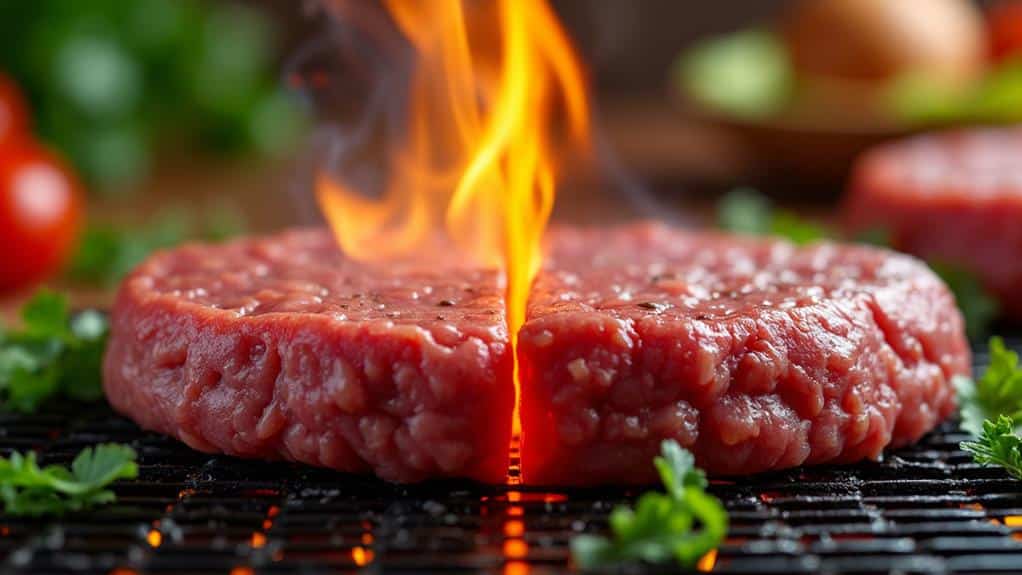
When it comes to the room temperature debate, we often find ourselves meandering through a maze of conflicting advice. Should we bring our burgers to room temperature before cooking, or keep them chilled? Let's clear up the confusion.
Thawing burgers at room temperature can lead to bacterial growth within the "danger zone" of 40-140°F. This means leaving them out too long can increase the risk of foodborne illnesses. To keep our burgers safe and delicious, we should avoid thawing them on the counter. Instead, thaw frozen burgers in the refrigerator for 24-48 hours. This method keeps the meat at a safe temperature, ensuring quality and safety.
Interestingly, fresh burgers can be cooked straight from the fridge without compromising taste or texture. This is great news for those of us who forget to set our meat out ahead of time. Refrigeration helps maintain the quality of the burgers before they hit the grill.
To wrap up, crafting a perfect burger involves more than just high fat content. We need to flip burgers multiple times for even cooking, balance meat to fat ratios for ideal texture, and always toast the buns to prevent sogginess. Strategically placing toppings enhances juiciness, while proper seasoning elevates flavor. Lastly, bring the meat to room temperature before cooking for the best results. By following these tips, we can all achieve burger perfection.
