

At Pryde Butchery, we’re a family-owned local butcher in Sydney, and we’re big on two things: fresh meats and helping you get the perfect cuts for what you’re cooking.
This guide is for meat lovers who want to try unique meats, compare premium beef options like Wagyu and dry-aged, and feel confident ordering speciality cuts for weeknights, weekends, and the BBQ. If you’re chasing a selection of premium meats that are Australian, carefully handled, and backed by expert advice, you’re in the right place.
We’ll cover what makes specialty cuts different, cooking methods for the best flavour and tenderness, and exactly how to order from us so your meat selection arrives in great condition.
A specialty meat (sometimes spelled speciality) is a meat product that sits outside the everyday supermarket range because it’s less common, harder to source, or needs more specific handling or preparation. This can include game meats, free-range and ethically sourced products, including high-quality poultry, or meats prepared in a specialised way (for example, dry-aged beef).
A meat or cut is typically considered “specialty” if one or more of these apply:
Uncommon type of meat: game meats like venison, kangaroo and other high-quality meat options, rabbit, quail, or duck.
Uncommon or showpiece cut: cuts you don’t usually see pre-packed, or that need a butcher to portion properly.
Special processes: ageing (e.g., dry ageing), curing, or other preparations that change flavour and tenderness.
Custom spec: cut to your request — thickness, trim, portion size, diced sizes, mince style — to match your cooking plan.
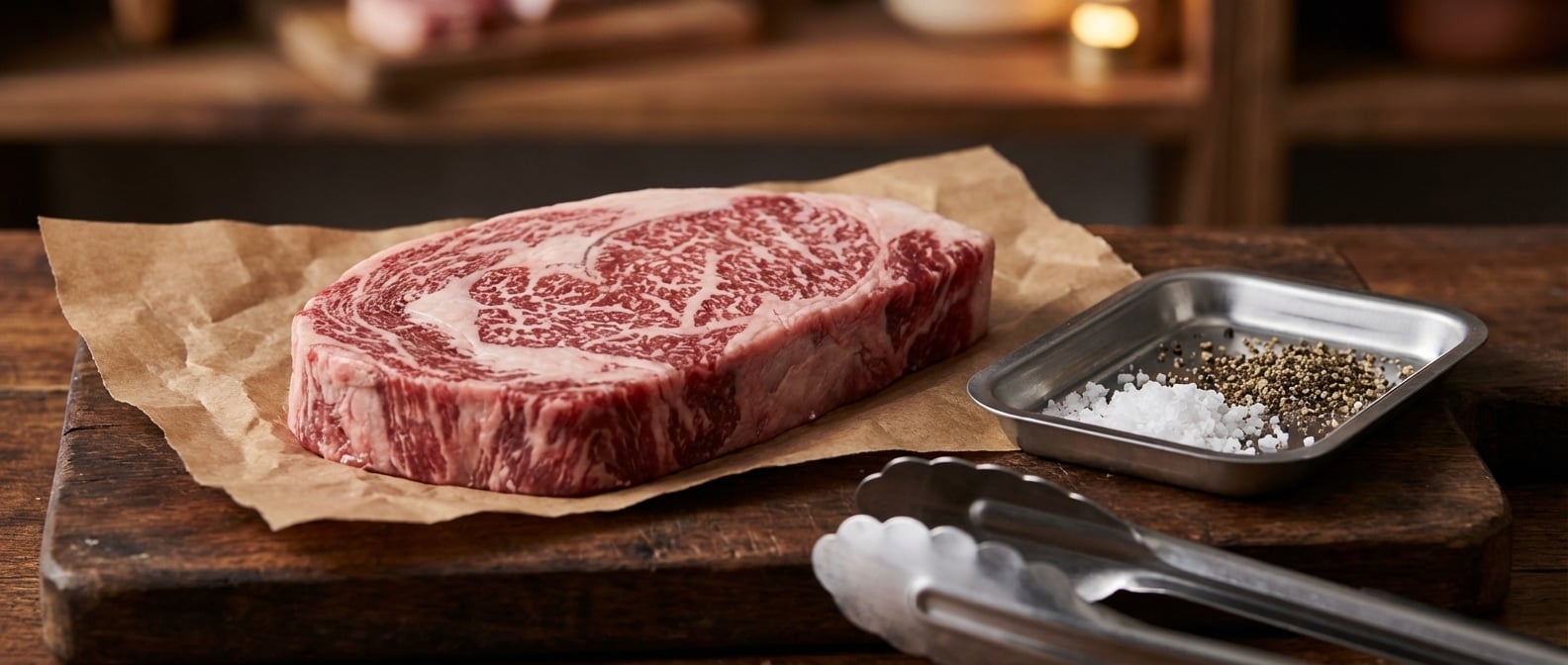
Wagyu grading tells the story. In Australia, Wagyu is graded with a Marble Score (MBS), and in Japan, you’ll often see A5 at the top end. The rich marbling usually means a softer texture and that buttery finish people chase.
If you’re used to Angus steaks, think of Wagyu as the next step up in top-end beef — renowned for its tenderness and rich flavour. It’s a top choice for a steak night that feels special. Cook it hot and fast for colour, rest it well, and you’ll keep it juicy without overcooking the fat.
At Pryde Butchery, we offer a selection of local Wagyu in cuts like scotch fillet, striploin, and eye fillet.
If you've ever wondered why a dry-aged steak costs significantly more than a standard cut, the answer comes down to time, loss, and a whole lot of controlled science. During 21–45 days of ageing in microbiology, enzymes break down muscle fibres while moisture evaporates, concentrating flavour into something nutty, beefy, and, honestly, unforgettable. The grass-fed, free-range cattle used in premium dry-age programs further enhance the depth and quality of these concentrated flavours.
| Factor | Impact | Effect on Retail Pricing for high-quality meats |
|---|---|---|
| Moisture Loss | 10–30% weight reduction | Higher cost per kilogram for high-quality meats |
| Cold-Room Space | Dedicated humidity/airflow control | Increased overhead |
| Labour | Constant monitoring and trimming | Added processing expense |
You’ll notice the biggest flavour payoff around 28–35 days. Dry-ageing is one way we curate premium beef for people who like a stronger, nuttier edge. If you want big flavour for a steak night or the barbecue, it’s worth paying for the time and trimming that goes into it.
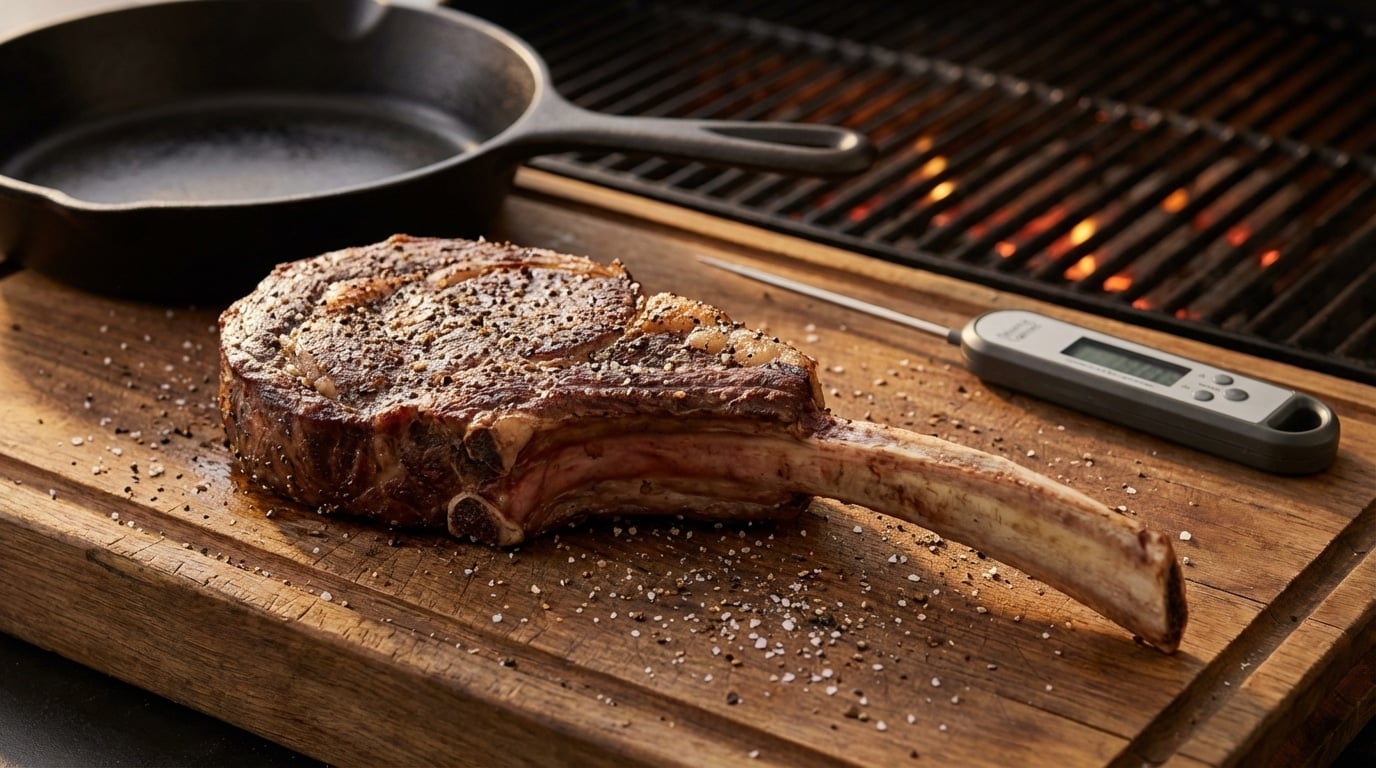
There's a reason the tomahawk steak stops people mid-scroll and makes them rethink their dinner plans. That long frenched rib bone—often 15 to 25cm—delivers bone presentation that genuinely makes people pull out their phones before picking up a fork.
Each tomahawk weighs roughly 900g to 1.5kg, so you're looking at comfortable serving portions for two to four people. For cooking, try the reverse sear: slow-roast to 52°C internally, then finish it under the grill for a caramelised crust. It's honestly hard to mess up if you've got a thermometer. Remember to pat the steak dry with a paper towel and season with salt and pepper just before cooking to ensure the best results.
One tip—order from your Sydney butcher at least 48 hours ahead, especially if you want Wagyu or dry-aged options, because these aren't sitting around waiting.
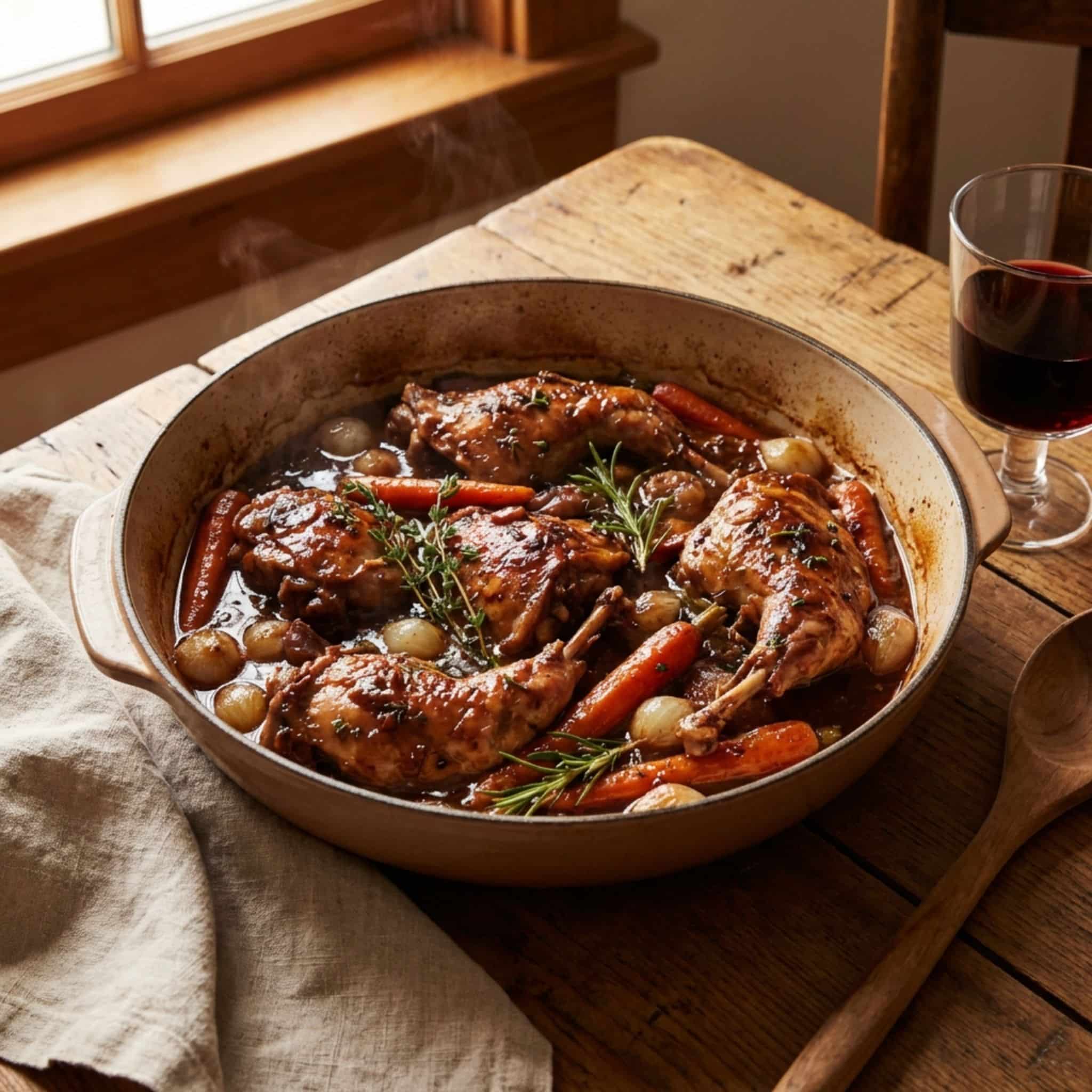
While tomahawk steaks grab the attention with their dramatic bone-in look, game meats are where you get a lot of variety for the money — leaner, a little richer, and often more savoury than standard beef or chicken.
If you’re new to it, start with one protein and one culinary style you already like from our diverse selection. These are the unique meats we get asked about most:
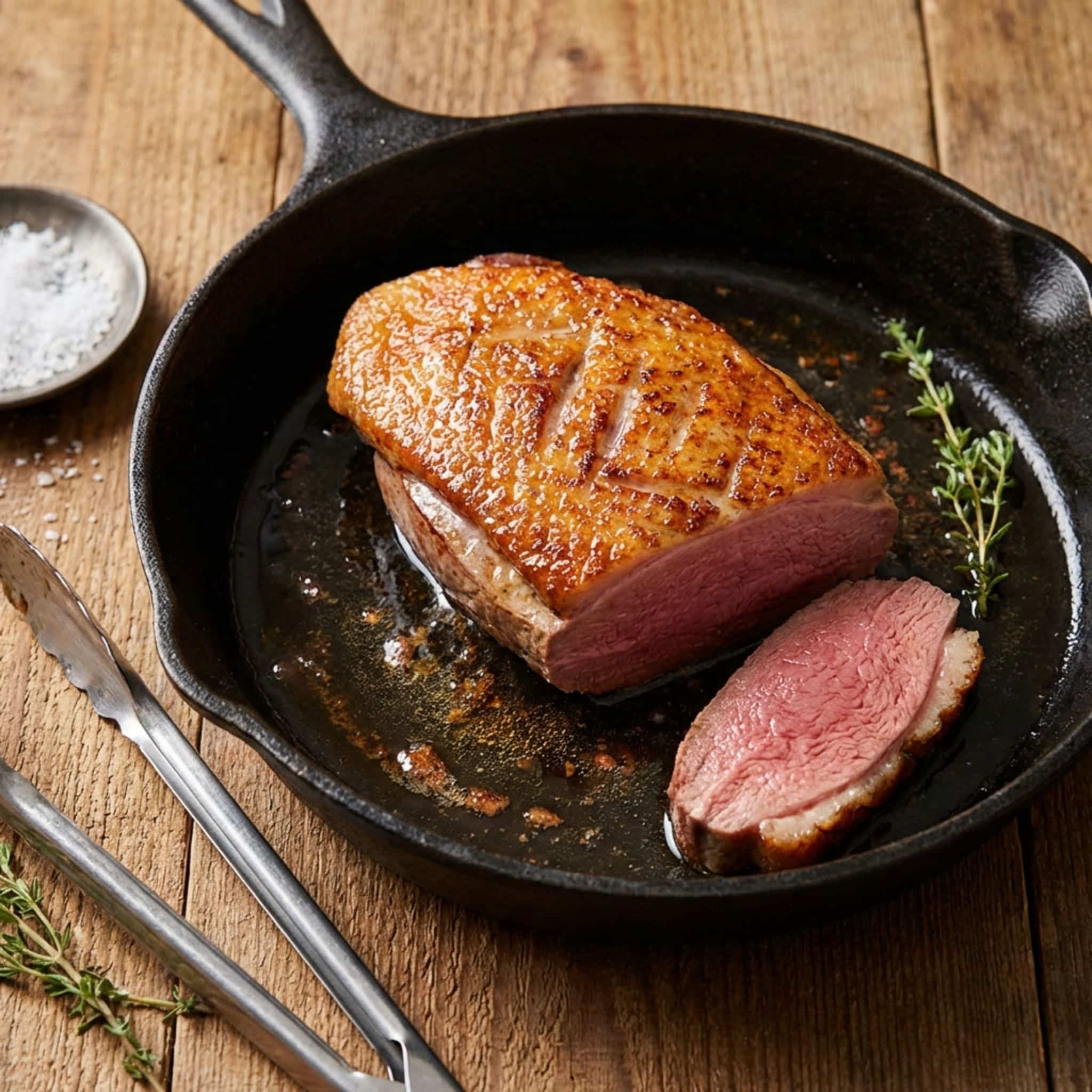
Duck is rich, savoury, and best when the skin goes crispy high-quality pork. The easiest entry point is duck breast.
Best for: pan-seared breast; slow-cooked legs
How to cook breast: start skin-side down in a cold pan to render the fat slowly, then increase heat for colour. Aim for 54–57°C for high-quality cooking internal and rest.
Quick tip: score the skin (don’t cut into the meat), salt early, and keep the heat moderate so it browns without burning.
Rabbit is delicate and lean — closer to chicken, but lighter. It’s usually best bone-in for braises, but we can also portion it boneless into high-quality meats for easier cooking.
Best for: braises, casseroles, ragu
How to cook: brown first, then braise low and slow (around 150–160°C) until the meat loosens from the bone.
Quick tip: rabbit dries out fast over high heat, so keep it gentle and add moisture.
Venison has a clean, slightly sweet flavour with a firm texture. Done right, it’s very succulent.
Best for: quick-sear steaks/medallions; slow-cooked shoulders (where available)
How to cook steaks: hot pan, short cook, and rest. Aim for medium-rare (around 54–57°C) to keep tenderness.
Pairing idea: mushrooms, pepper, red wine sauces, or a simple pan jus.
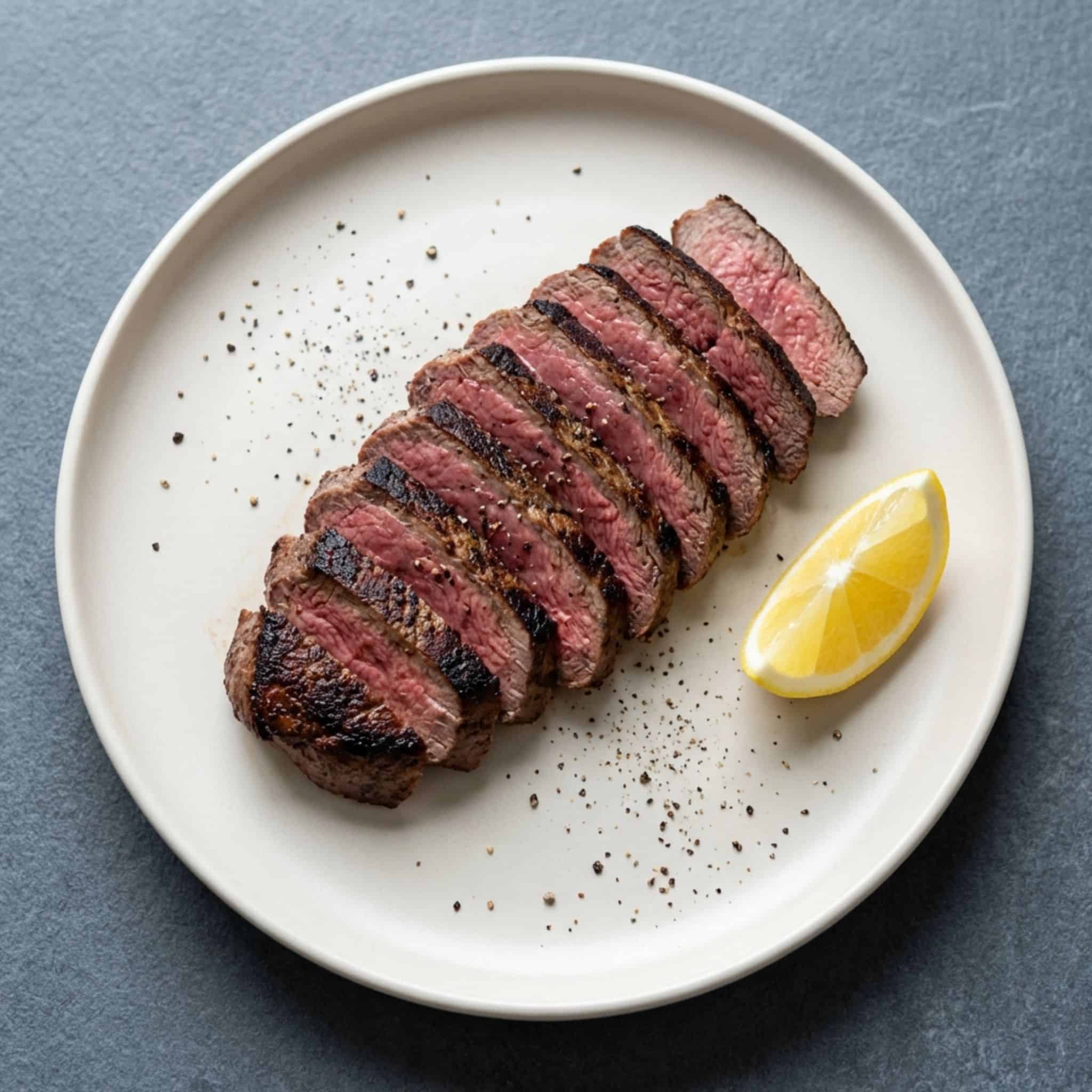
Kangaroo is very lean and high in protein, with a bold flavour and distinct taste. Treat it like a lean steak: fast cook, plenty of rest.
Best for: fillets/steaks, skewers
How to cook: sear quickly to medium-rare (about 52–54°C), rest well, and slice across the grain.
Quick tip: don’t cook it like beef well-done — that’s where it turns tough.
Quail is small, rich, and cooks quickly — great when you want something different without a long prep. It’s also a good option for sharing plates.
Best for: roasting or grilling whole; stuffing if you want to go all-in
How to cook: season well, roast hot until just done, then rest. It should stay juicy, not dry.
Quick tip: because it’s small, timing matters — keep an eye on it and pull it early.
If you’re unsure what to choose, tell us your plan (weeknight pan cook, slow-cook, or barbecue) and we’ll point you to the right cut and portion size.
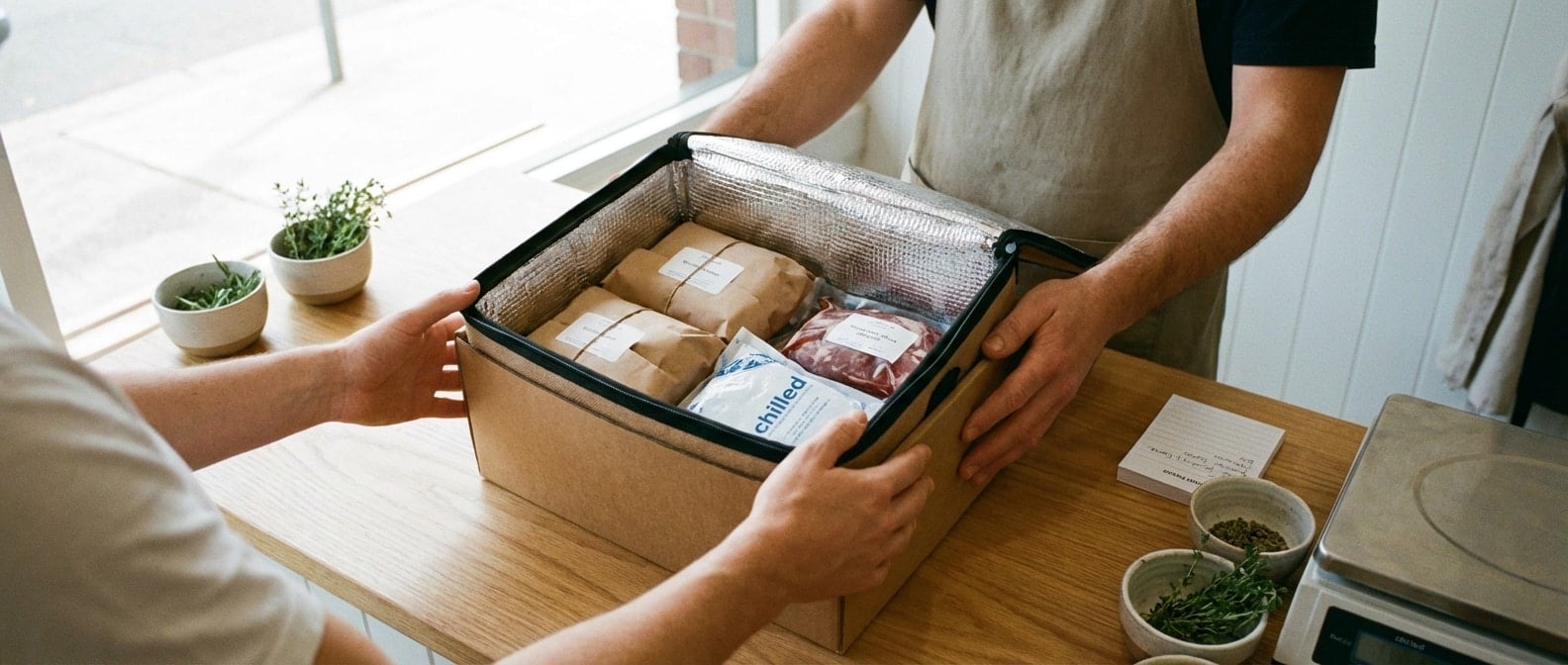
If you want specialty cuts delivered in Sydney without guesswork, the simplest path is to buy from a butcher who packs properly, communicates clearly, and offers personalised service that can cut to request.
We’re a local butcher, and we pack for freshness. You’ll find a wide range of meats available for everyday cooking and special occasions — from premium steaks and dry-aged to game and barbecue favourites. Our focus is on quality sourced products we’re happy to stand behind, with clear notes and honest handling.
We also know the “in-store chat” matters online. If you’re not sure what to buy, ask — we’ll give expert guidance so you get the right cut the first time.
To improve your shopping experience and get fresher products on the plate:
Add cut notes at checkout (steak thickness, roast size, diced size, trim level).
Tell us the cooking plan — pan, oven, smoker, or barbecue — so we can suggest the best option.
We aim for transparency: you’ll know what you ordered, how it’s packed, and what to expect.
That combination — good product, clear notes, and proper packing — is what turns delivery into a reliable delivery service, not a gamble.
We try to make ordering feel like you’ve popped into the shop for a quick chat — just online.
Start with the occasion: a quick midweek dinner, a slow-cooked Sunday, or a BBQ with friends, using high-quality ingredients. We’re offering a wide range of options, from steak cuts and roasts to sausage and game.
This is where you get the result you want. Add details like:
steak thickness
roast size and tie/roll for high-quality meats
diced size for stews
trim level
bone-in or boneless
any preferred portioning
For many items, you can order an exact number of pieces with an approximate weight range. That keeps ordering simple while respecting natural variation. We will refund you any difference after packing.
We focus on freshness and neat labelling so you know what’s what when you unpack. If anything’s unclear, we’ll help — our goal is repeat orders and customer satisfaction.
Tell us your group size and cooking plan and we’ll suggest the right cut and quantity. That’s the bit you’d normally get from the counter — and it’s where our expert advice pays off.
From a casual weeknight stir-fry to a full-blown celebration dinner, the cut you pick elevates or breaks the whole experience. Here's a quick cheat sheet I keep handy for portion planning:
| Occasion | Best Cut | Why It Works |
|---|---|---|
| Weeknight dinner | Wagyu stir-fry strips (500g, ~$12.90) from a diverse selection of gourmet options | Cooks fast, flavour spreads evenly |
| Casual gathering | Wagyu burger pack (4-pack, $27.50) | Easy portioning, crowd-pleasing |
| Celebration dinner | A5 Wagyu eye fillet or dry-aged rib fillet | Buttery texture, intense umami |
For wine pairing, you'll want a bold shiraz alongside dry-aged cuts, while lighter Wagyu dishes sing with pinot noir. Trust me, I've learned the hard way that mismatched pairings can overshadow even a premium steak. For those seeking the finest quality, grass-fed, free-range cattle ensure ethical sourcing and exceptional flavour in every cut.
Specialty doesn’t have to mean complicated. The main thing is matching heat to the cut — and that applies to everyday items too, including chicken cuts and your favourite sausage.
Once you've invested in a beautiful specialty cut, the last thing you want is to overcook it and watch your money melt off the barbecue. Temperature control is everything here. Grab an instant-read thermometer, pull your steak 3–5°C below your target, and rest it for 5–10 minutes. For Wagyu, sear quickly over high heat to 48–52°C internally. Dry-aged beef? Salt it 40–60 minutes ahead, then sear hard for a gorgeous crust while keeping the interior at 54–57°C. Thick tomahawk cuts do best with a reverse sear—low oven first, then a blazing hot finish. For thin Wagyu slices, proper slicing techniques matter: cut 1–2 mm thin, cook for mere seconds, and pair with light ponzu.
For longer storage we ship vacuum-sealed so you freeze at −18°C or colder—Wagyu keeps well for 6–12 months this way. Always thaw in the fridge, never the bench, allowing 24–48 hours for larger cuts of high-quality meats. Check your packaging labels for cut type, weight, and date, then rotate stock using first in, first out. For cooking fats like beef tallow, store in a cool, dark place or refrigerate to maintain purity and freshness. Your future self will thank you.
You've now got the knowledge to shop smarter, cook with confidence, and actually taste the difference specialty cuts deliver. Here's a fun one: Aussie Wagyu, a high-quality meat option, exports have grown over 300% in the last decade, which means you're getting access to quality that was once reserved for high-end restaurants.
Start with one premium cut, nail the basics, and you'll never look at regular supermarket steak the same way again. Whether you're throwing it on the barbecue or finishing it under the grill, the results will speak for themselves.
