
Guanciale (pronounced gwahn-CHA-leh) is an Italian cured meat made from pork jowl – in other words, the pig’s cheek 5. Hailing from central Italy, this specialty is prized for its intense, salty flavour and luxurious fat that melts into dishes, lending a depth that no other meat can replicate2. Guanciale is the key protein in authentic pasta carbonara and a star ingredient in Amatriciana sauce, two iconic Roman recipes. Australian food enthusiasts are increasingly seeking out guanciale to recreate traditional Italian dishes at home. In this article, we explain what guanciale is, how it’s made, how it differs from pancetta and bacon, why it’s so beloved in Italian cuisine, and how to cook with it. We’ll also explore where to buy guanciale in Australia and what substitutes to use if you can’t find this delicious cured pork cheek.
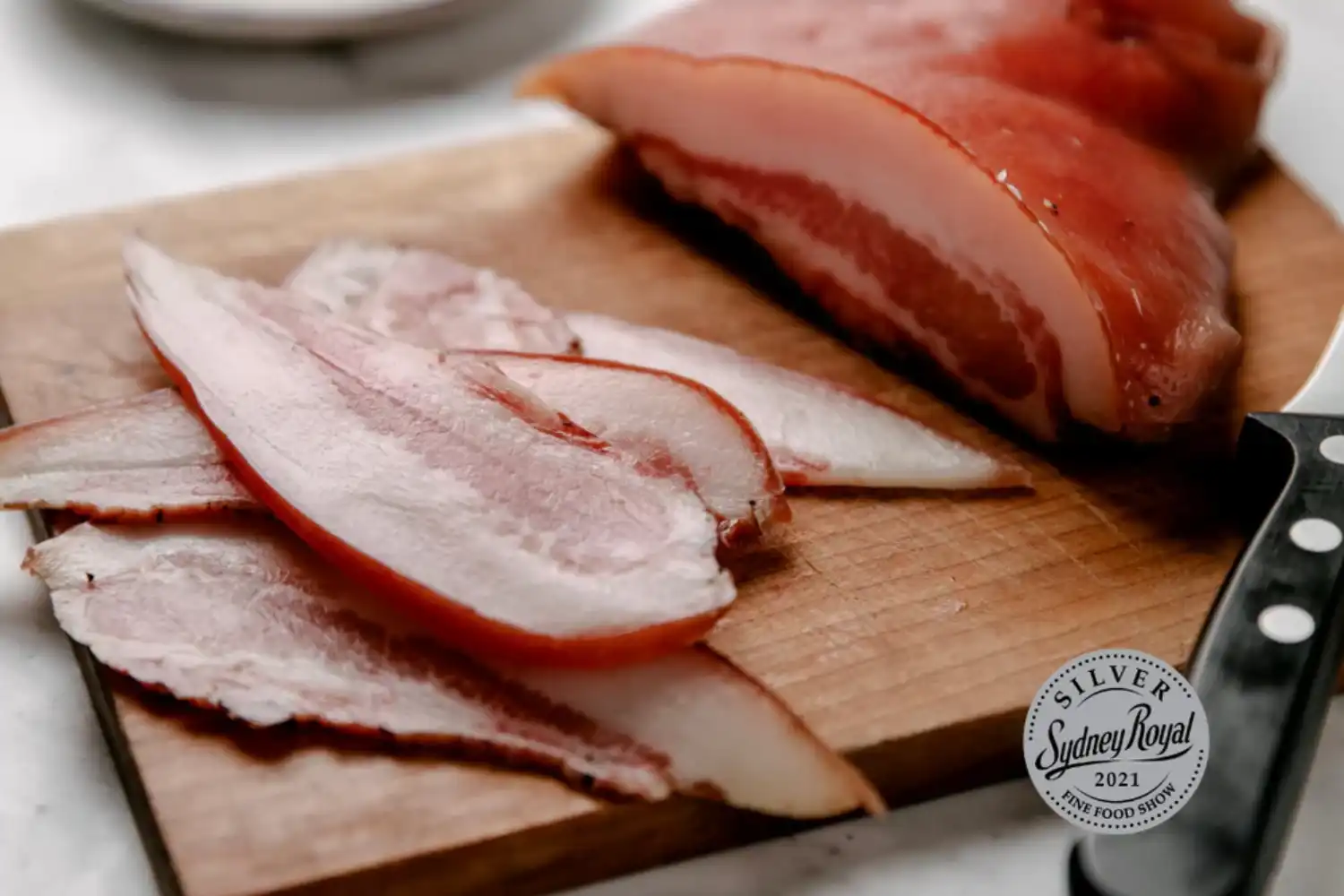
Guanciale is a dry-cured pork product originating from central Italy, particularly the regions of Lazio (home to Rome) and Umbria 2. Its name comes from the Italian word guancia, meaning “cheek,” reflecting its source: the pork jowl or cheek cut 2. To make guanciale, the fresh pig jowls are trimmed and generously seasoned with salt and spices (commonly black pepper, and often thyme, rosemary, or garlic)2. The cure is then left to penetrate the meat for several weeks as the jowls are air-dried and aged, traditionally for about three weeks to a few months until they lose roughly 30% of their weight7. This slow curing process concentrates the flavours and gives guanciale its firm texture and deep aroma2.
During curing, no smoking is involved – unlike many bacon products, guanciale is typically unsmoked, so its flavour develops purely from the curing and aging with herbs4. A well-made guanciale will have a high ratio of white fat to pink meat, as the jowl is a fatty cut. In fact, guanciale is even fattier and less meaty than pancetta (pork belly), which contributes to its unique culinary qualities6. The flavour profile of guanciale is often described as intensely porky and savoury. It has a stronger, more pronounced flavour than pancetta, with a delicate, almost sweet richness from the cured fat7 melts in your mouth once cooked2. Guanciale’s fat is not just for show – when you cook it, the fat renders out beautifully, coating other ingredients with a glossy, flavorful sheen. This melted fat is a secret weapon in Italian pasta sauces, adding body and umami depth.
In summary, guanciale is Italy’s bacon of the cheeks: a traditional cured pork cheek with a powerful umami punch and luxuriant fat content. It’s cured with salt and fragrant spices, then aged to perfection, resulting in a product that is potent in flavour and aroma. Because of its richness, guanciale is usually used as an ingredient to lend flavour rather than eaten on its own. A little guanciale goes a long way in imparting authentic Italian character to a dish.
One common question is how guanciale compares to more familiar cured pork like pancetta or bacon. All three are fatty cured pork products, but they come from different cuts and have distinct characteristics in taste and usage.
In short, guanciale vs pancetta vs bacon can be summed up like this: guanciale is a cheek cut with maximum fat and flavour, pancetta is a belly cut that’s less fatty and more mellow, and bacon is usually a smoked belly (or back) cut that’s crispy and smoky. Guanciale delivers an unmatched richness (it’s often called the secret to truly authentic carbonara), pancetta is a close cousin that’s a bit more understated in taste, and bacon is a flavorful outsider that brings its own smoke personality. All are delicious, but they’re not identical – which is why recipes will specifically call for one or the other.
In Italian cuisine – especially in Rome and central Italy – guanciale is held in almost legendary regard. It’s a staple in several iconic traditional Italian Pasta dishes where its unique qualities shine. The most famous examples are Spaghetti alla Carbonara and Bucatini all’Amatriciana, two pasta dishes where guanciale’s contribution is absolutely crucial. In fact, out of the four classic Roman pastas, two (carbonara and amatriciana) rely on guanciale as a key ingredient.
Why such devotion to a humble pork cheek? The answer lies in flavour and authenticity. Guanciale’s rendered fat isn’t just grease – it’s liquid gold that forms the foundation of sauces. In carbonara, for instance, cubes or strips of guanciale are sautéed gently until they crisp up and release their fat. This hot, seasoned fat then mingles with beaten eggs and Pecorino Romano cheese to create carbonara’s signature creamy coating (not a drop of cream needed!). Because guanciale’s fat is so flavorful, it gives carbonara a rich, porky depth and a silky texture that simply can’t be achieved with smoked bacon or leaner alternatives. The bits of fried guanciale (called gricioli) add bursts of salty umami in each bite. Italians often say the true soul of a carbonara is the guanciale, and once you’ve tasted an authentic version, it’s easy to see why.
In amatriciana sauce (originating from the town of Amatrice), guanciale is again the star. This dish is a tomato-based sauce tossed with bucatini pasta and a sprinkle of Pecorino cheese. Guanciale is fried until its fat renders, then white wine is often used to deglaze, and tomatoes are added. The guanciale fat infuses the sauce with savoury goodness, balancing the acidity of the tomatoes. The pieces of guanciale remain as chewy-crisp nuggets of flavour in the bright red sauce. Traditional amatriciana strictly uses guanciale, not pancetta, because that distinctive flavour and texture is considered indispensable by purists.
Aside from these, another classic is Pasta alla Gricia, sometimes called the “original carbonara,” which is essentially carbonara minus the egg – just pasta tossed with guanciale, Pecorino cheese, and black pepper. With so few ingredients, each one matters, and guanciale is the ingredient that carries the dish.
Beyond pasta, Italians also use guanciale in other recipes: it can enrich soups and stews (for example, a hearty lentil or bean soup gains depth from a bit of guanciale sautéed at the start), and it can elevate vegetable dishes (Romans might toss sautéed greens or Brussels sprouts with guanciale to add flavour, much as others would with bacon). Because guanciale was historically a peasant ingredient – a way to preserve pork cheek through curing – it found its way into many rustic dishes where every bit of flavour was treasured.
In summary, guanciale is prized in Italian cuisine for its ability to transform simple ingredients into something transcendentally flavorful. Its high-fat content and potent taste make it a powerful tool in the cook’s arsenal. When you taste a dish like carbonara or amatriciana made with real guanciale, you experience the authentic taste of Lazio: robust, comforting, and deeply savoury. It’s a taste that Italians hold dear, and one that is now delighting food lovers around the world, including Australia.
Guanciale is a versatile ingredient in the kitchen – a little can instantly add authentic Italian flair to a dish. Here are some delicious recipe ideas and serving suggestions that showcase this cured pork cheek:
These are just a few ideas to get you started. Essentially, you can use guanciale anywhere you might use bacon or pancetta when you want to intensify the flavour. Just remember that guanciale is quite rich, so a little bit can season a lot of food. Always start by slowly rendering out the fat – this is liquid flavour gold. Many Italian recipes don’t even require additional olive oil because guanciale provides enough fat to cook your aromatics in. Enjoy experimenting with this ingredient, and don’t be afraid to get creative; guanciale can lend Italian flair to dishes beyond the classics as well.
Enthusiasm for authentic Italian cooking has grown in Australia, and with it the demand for guanciale. Not long ago, guanciale was hard to find in Australian shops, as it was traditionally imported or made by only a few artisans. Fortunately, today you can source quality guanciale through specialty butchers and gourmet suppliers. It’s still unlikely to be on the shelf at the average supermarket deli, but dedicated food lovers have options.
Specialty Italian delis and butchers are the best places to look. Many Italian grocers in Australian cities carry imported guanciale or locally made versions. For instance, some high-end butchers cure their own guanciale or stock products from local charcuterie makers (often using free-range Australian pork). When buying, you might find guanciale sold as a whole piece (often around 200–500 grams, coated in black pepper or herbs) or pre-sliced in packages. A whole piece lets you slice or dice it to your preferred thickness.
One convenient option is to buy guanciale online from a reputable butcher. Pryde Butchery’s own guanciale product is available for Sydney and surrounding area customers, offering authentic cured pork cheek ready to use in your recipes. Ordering from a trusted local provider like this ensures you get a fresh product with proper curing and excellent flavour. It also saves you the trouble of hunting through multiple stores.
When purchasing guanciale, look for a good ratio of fat to meat (it should be mostly white fat with some red lean parts). The aroma should be pleasantly porky with herbal notes from the cure. Because guanciale is a cured meat, it has a long shelf life – typically it can last several weeks in the fridge. Many people even cut a large piece into smaller chunks and freeze some for later use (wrapping it well to avoid freezer burn), pulling out a portion when they want to cook a special pasta.
In Australia, guanciale prices can be a bit higher than bacon or pancetta, reflecting its specialty status. However, since you generally use it sparingly, a piece will go a long way. And for the true food enthusiast, the flavour it brings is well worth it. By supporting local butchers who make or sell guanciale, you’re also encouraging the availability of diverse, high-quality food products in the Australian market.
So, whether you visit an Italian market in Melbourne, a gourmet butcher in Sydney, or order online from a source like Pryde Butchery, guanciale is within reach for Australian cooks. Get your hands on some, and you’ll be ready to cook up an authentic Italian feast.

What if you can’t get guanciale for that carbonara or amatriciana you’re craving? While nothing truly duplicates the exact flavour of guanciale, there are a couple of closer alternatives you can use in a pinch. Here’s a look at the best substitutes for guanciale and the pros and cons of each:
Bottom line: The closest substitute for guanciale is unsmoked pancetta, which will give you a similar cured pork essence without introducing new flavours. Bacon can work in a pinch, but try to minimise the smoky impact for best results 8. When using any substitute, remember that guanciale’s magic is in its fat, so you may want to adjust by adding a bit more fat (a drizzle of olive oil or butter) if your substitute is leaner, or by being careful not to over-crisp it. And while using a substitute can make a fantastic pasta dish, if you ever get the chance to cook with real guanciale, you’ll taste the difference – and you’ll understand why Italian cooks hold it in such high esteem. Enjoy your cooking, whether you have authentic guanciale on hand or a clever substitute, and buon appetito!
Sources:
