


Description
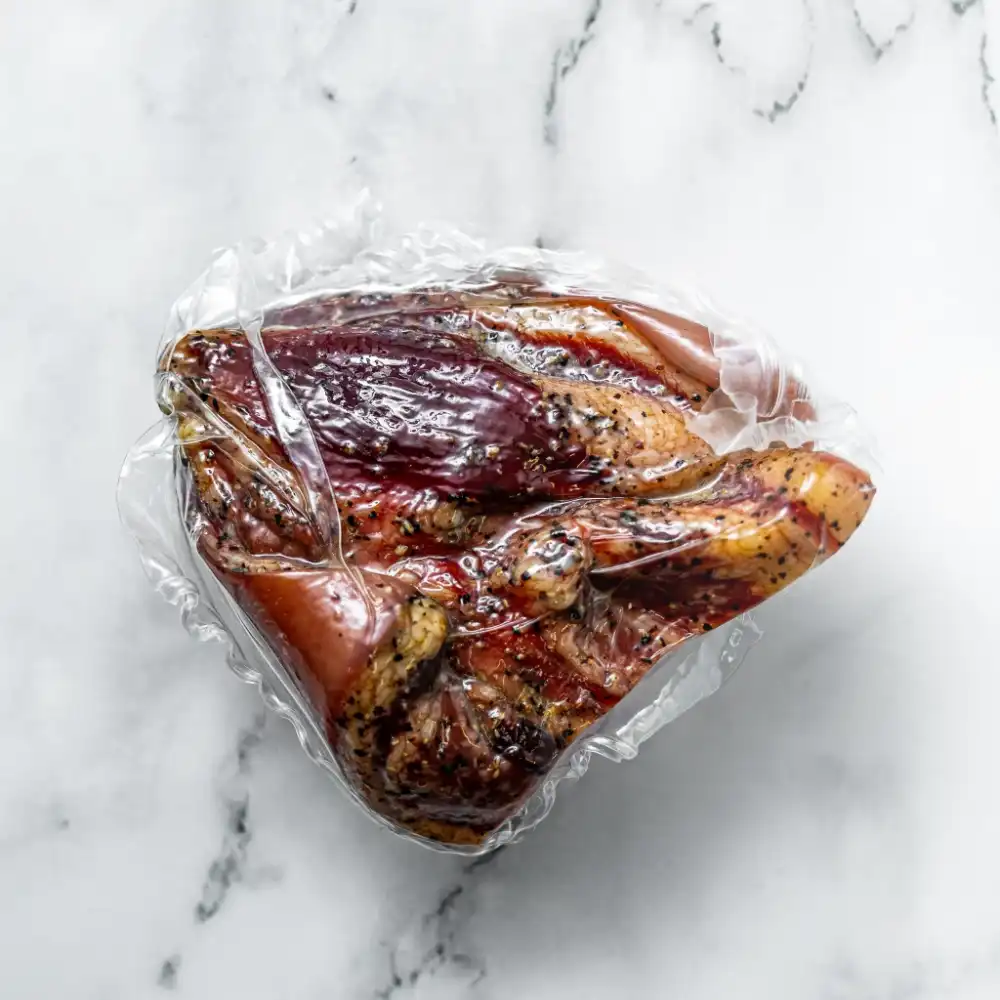
Guanciale is the cured pork jowl that sits at the heart of some of Italy's most celebrated pasta dishes. Unlike bacon or pancetta, guanciale carries a higher proportion of silky fat that renders gently when heated, releasing a rich, savoury depth that forms the backbone of a proper carbonara or amatriciana.
Our guanciale is salt-cured and slow-aged, which concentrates the flavour of the pork cheek and gives the fat its characteristic melt-in-the-mouth texture. It carries notes of black pepper and gentle spice from the cure, without the smokiness that comes with bacon — which is why purists insist on it for traditional Roman recipes.
Use it diced and rendered until translucent for a pasta sauce, sliced thin as part of a charcuterie board, or crisped as a savoury garnish over soups and roasted vegetables. A little goes a long way, and once you cook with it, you will understand why it has earned its place in so many Italian kitchens.
Quick Facts
- Type/Cut: Cured pork cheek (jowl)
- Key features: Salt-cured, slow-aged, no smoke, traditionally seasoned
- Best for: Pasta sauces (carbonara, amatriciana), charcuterie boards, soups, and stews
- Flavour/texture: Rich, intensely savoury pork with silky fat that melts during cooking
- Prep notes: Can be eaten cooked or uncooked. Store wrapped in the fridge.
Why You'll Love It
- Authentic flavour for classic Roman pasta dishes like carbonara and amatriciana
- The silky fat renders gently, creating an unrivalled depth in sauces
- No smoke — the cure lets the pure pork flavour shine through
- Can be enjoyed cooked or uncooked — versatile for hot and cold dishes
- A little cube goes a remarkably long way in building flavour
Cooking Tips
- Cut guanciale into small batons or dice and start it in a cold pan so the fat renders slowly without burning
- For carbonara, cook it until golden and crisp, then remove from the heat before adding the egg and cheese mixture
- Wrap and freeze any portion you are not using within a week — it freezes well without losing texture
- Slice paper-thin for an antipasto board alongside cheese, olives, and crusty bread
- Use the rendered fat as the cooking base for a soffritto when making soups or braises
- Pair with sharp, salty cheeses like pecorino or Parmesan that cut through the richness
Serving Ideas
- Classic spaghetti carbonara with egg, pecorino, black pepper, and golden guanciale
- Sliced thin on a charcuterie platter with cornichons, Manchego, and grissini
- Add Sea Salt Cured Guanciale to your next order for the real taste of Rome in your own kitchen.


Reviews
There are no reviews yet.