
You might not realise that the key to a perfect beef brisket starts long before it hits the smoker; it begins with selecting the right cut.
Choosing a brisket with the right marbling and fat cap can greatly impact the flavour and tenderness of your final dish.
But how do you know which brisket is best for your needs?
And once you've got it, what's the best way to trim and season it for ideal results?
Understanding these foundational steps can transform your cooking experience, ensuring each bite is as mouthwatering as it should be.
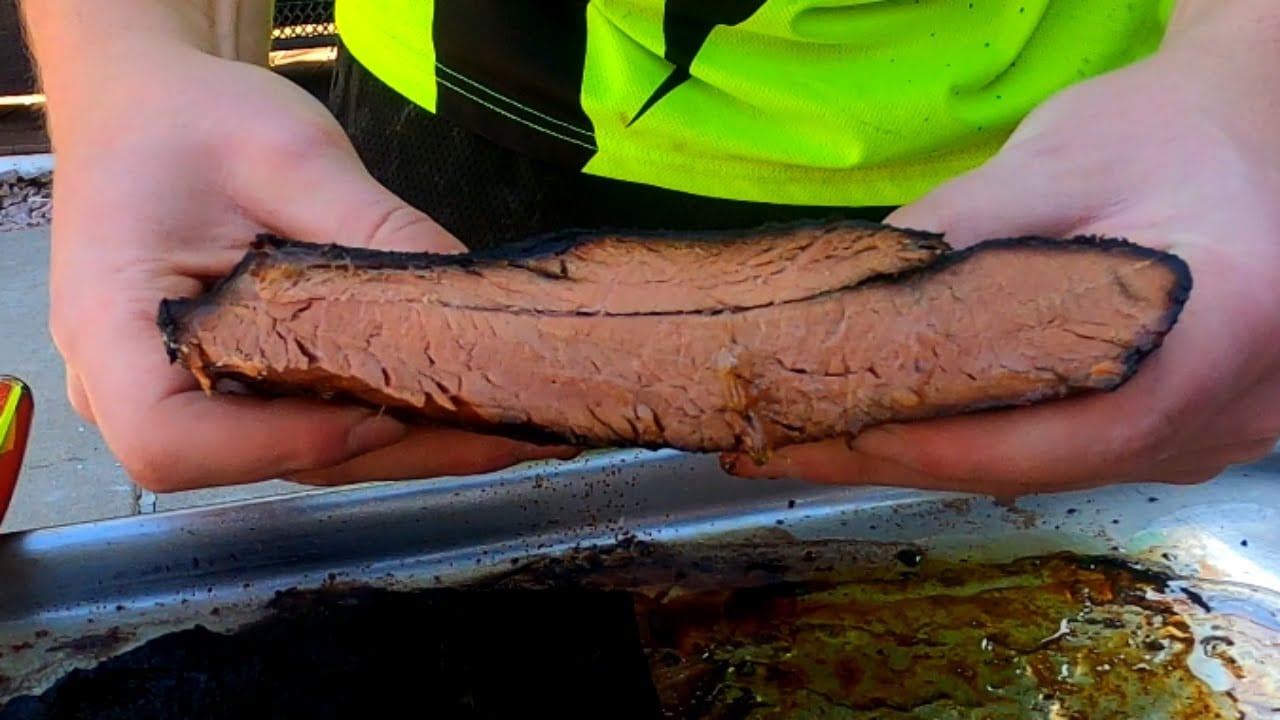
When you're choosing a brisket, it's vital to focus on quality to ensure a delicious end result. Start by examining brisket grades. Opt for at least choice grade meat, as it offers better marbling, which is essential for flavour and moisture retention.
The importance of fat can't be overstated; look for a fat cap around 6 to 8 millimetres thick. This helps keep the brisket juicy during cooking, but avoid overly thick layers to ensure even cooking.
Consider free-range grass-fed brisket, as it's known for its unique flavour and nutritional benefits. Understanding cut differences is also key. The flat cut is leaner and ideal for slicing, while the point cut is thicker and juicier, making it perfect for BBQ and smoked dishes.
If you're serious about your brisket, consider whole packer briskets, which offer better trimming options and an authentic cooking experience. Sourcing options matter too. Purchase from reputable sources such as local butchers or specialty meat providers to ensure high-quality brisket that matches your cooking methods.
Whether you're smoking or grilling, these choices set the foundation for your brisket's success. By focusing on these factors, you ensure a flavourful and tender result that makes all your efforts worthwhile.
After choosing the right brisket, attention shifts to trimming techniques that prepare it for cooking. Start by focusing on fat removal techniques, aiming to leave about 6 to 8 millimetres of fat for moisture retention. This balance ensures the brisket remains juicy during cooking.
Choose a narrow curved boning knife for precision; it's ideal for manoeuvring the brisket's curves and effectively trimming the fat cap. This type of knife helps expose the red meat underneath, enhancing flavour absorption.
Keep the brisket cold while trimming; this makes it easier to handle and cut precisely. Cold temperatures firm up the fat, allowing you to slice through it cleanly without tearing the meat itself.
Pay attention to dealing with membranes, particularly the thick deckle, which should be removed as it doesn't render during cooking and can block flavour penetration.
Once you've finished trimming, allow the brisket to sit at room temperature for about an hour. This step ensures even cooking throughout.
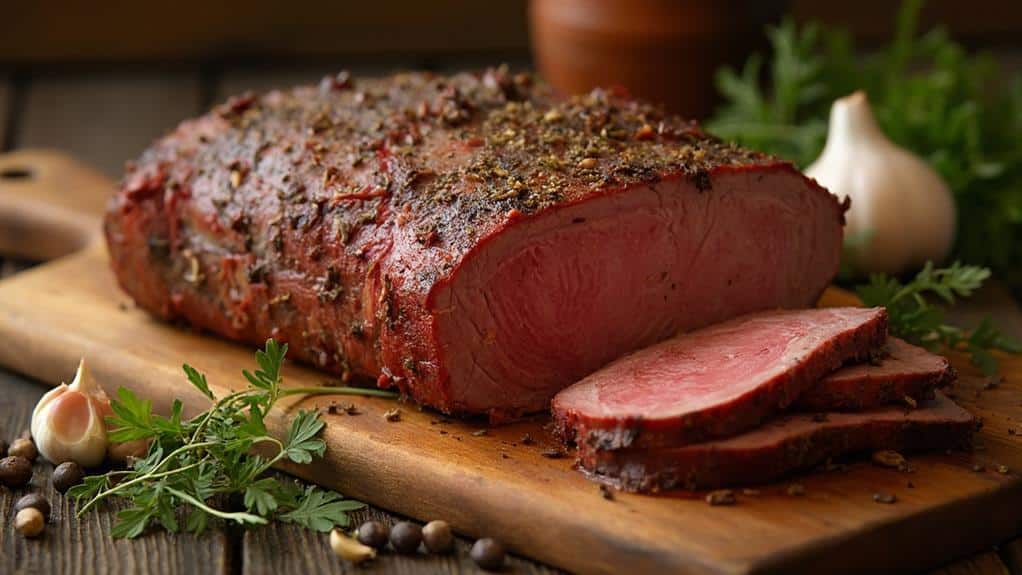
To achieve the perfect seasoning for your beef brisket, begin with a basic rub using salt, pepper, and garlic powder (SPG) to enhance the meat's natural flavours. This classic combination forms the foundation of excellent seasoning techniques.
To ensure peak flavour penetration, apply the rub generously and let the brisket rest for at least an hour before cooking. This resting period allows the seasoning to seep into the meat, creating a deeper, more uniform taste.
For those looking to explore unique spice combinations, consider adding paprika, onion powder, or brown sugar to your rub. These spices not only contribute to a more complex flavour profile but also support bark development during cooking. A well-developed bark, the flavourful crust on the brisket, is a hallmark of expertly seasoned meat.
When applying your rub, ensure even coverage on all sides, including the edges. This rub application technique assures a consistent flavour throughout the brisket.
Also, remember to trim large fat pieces, leaving a thin layer to maintain moisture. By following these straightforward steps, you'll master the art of seasoning, setting the stage for a mouthwatering beef brisket experience.
Smoking a beef brisket is an art that relies on the low-and-slow cooking method, maintaining a steady temperature of around 110°C (225°F). To master this, focus on temperature control and consider using a reliable smoker. Consistent heat ensures the brisket cooks evenly and remains tender.
For smoking tips, remember that fat side up is crucial; it allows the melting fat to baste the beef, enhancing moisture retention.
Wood selection significantly influences the flavour profiles. Opt for high-quality wood like oak or hickory to impart a bold, smoky flavour. During the initial three hours, leave the brisket undisturbed to maximise smoke absorption. It's during this stage that the brisket develops its signature taste.
Moisture management is essential. Place a water pan in the smoker to maintain humidity and prevent the brisket from drying out. If you encounter a cooking stall, wrapping the brisket in foil or butcher paper can help retain moisture and accelerate cooking times.
These smoking methods, when applied with care, guarantee a juicy, flavourful brisket. Master these techniques, and you'll be on your way to creating a brisket that's both tender and delicious.
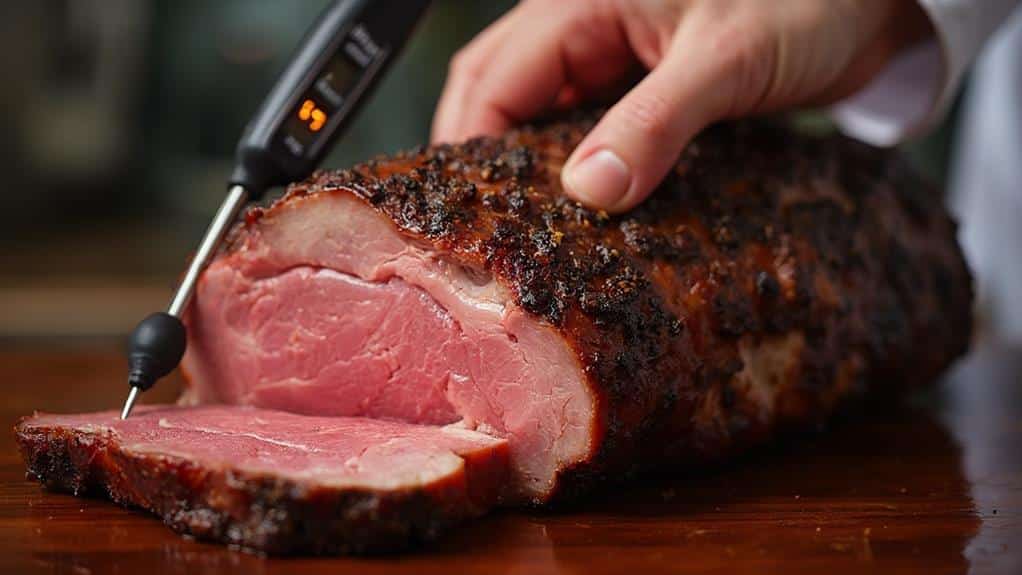
Once you've mastered the art of smoking, the next step is deciding whether to cook your brisket to temperature or feel.
Cooking to temperature involves using a meat thermometer to monitor the brisket's internal temperature. You should aim for a target range of 90°C to 92°C for ideal tenderness. This method offers precision but requires attention to carryover cooking, where the brisket continues to cook after being removed from heat.
On the other hand, cooking to feel relies on the probing technique. Here, tenderness evaluation is done by sliding a probe into the brisket. You're looking for the resistance to be similar to probing butter; this indicates perfect doneness. This method gives you a tactile understanding of the brisket's readiness, which can be more intuitive, especially as size and cooking methods vary.
Both methods have their merits. Cooking to temperature provides a clear numerical target, while cooking to feel allows for gauging texture and readiness personally.
Whichever you choose, remember that both methods require you to focus on tenderness evaluation, ensuring your brisket is as delicious and tender as possible.
After cooking, resting your brisket is vital for achieving ideal tenderness and flavour. Allowing your brisket to rest for at least one hour ensures that moisture retention is maximised, as the internal temperature drops to around 74°C. This resting period aids in the carryover cooking process, where the meat continues to cook internally, breaking down connective tissues for a tender result.
Additionally, resting offers significant flavour enhancement, as juices redistribute throughout the brisket, preventing dryness and enhancing consistency.
To guarantee the best results, follow these steps:
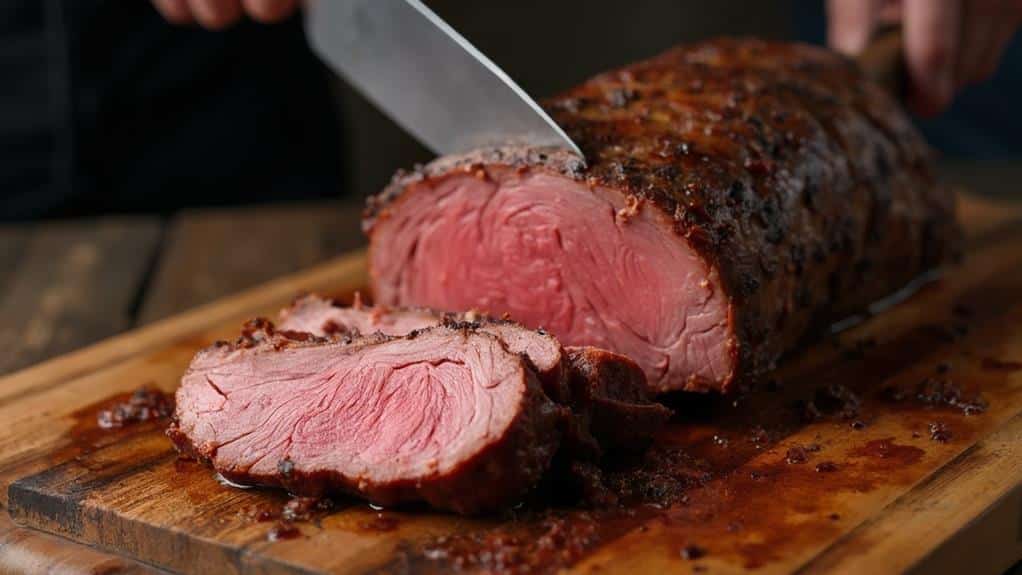
Achieving perfect brisket tenderness hinges on the slicing technique. Start by letting the brisket rest for 30 minutes to an hour. This step redistributes the juices, enhancing both flavour and moisture.
When you're ready to slice, identify the grain of the meat. Always slice against the grain to shorten the muscle fibres, ensuring each bite is tender and easy to chew. Proper grain identification is key to achieving that melt-in-your-mouth texture.
For knife selection, use a sharp serrated knife. This choice aids in making clean, smooth cuts without tearing the meat and preserves the flavourful bark developed during cooking. Aim for slicing techniques that result in pieces about 6mm thick. This thickness strikes the right balance between tenderness and maintaining the brisket's structure.
When separating the point from the flat sections, remember the point is thicker and fattier. Consider cutting it into smaller pieces for a juicier bite.
Serve your brisket with complementary flavour pairings like tangy barbecue sauce or a fresh coleslaw. These serving suggestions enhance the brisket's rich taste, making your meal both satisfying and memorable.
The 3/2:1 rule for brisket refers to the cooking method where the brisket is smoked for 3 hours, then wrapped and cooked for 2 hours, and finally unwrapped and cooked for 1 hour.
The best method for cooking brisket involves a low and slow approach, which is essential for tenderising this tough cut of meat. Either by slow BBQ, oven or slow cooker.
The secret to a tender brisket is low and slow cooking. Getting it to the right heat and keeping it there
You've mastered the essentials of brisket preparation and cooking, but there's one final secret to reveal. Will your brisket reach tender perfection? As you slice, the moment of truth unfolds. Remember, choosing the right cut, precise trimming, and perfect seasoning make all the difference. Smoking low and slow guarantees flavour depth, while resting locks in moisture. Now, the ultimate test: savour each bite, and relish the fruits of your meticulous effort. Your brisket journey culminates in this delicious reward.
