
Description
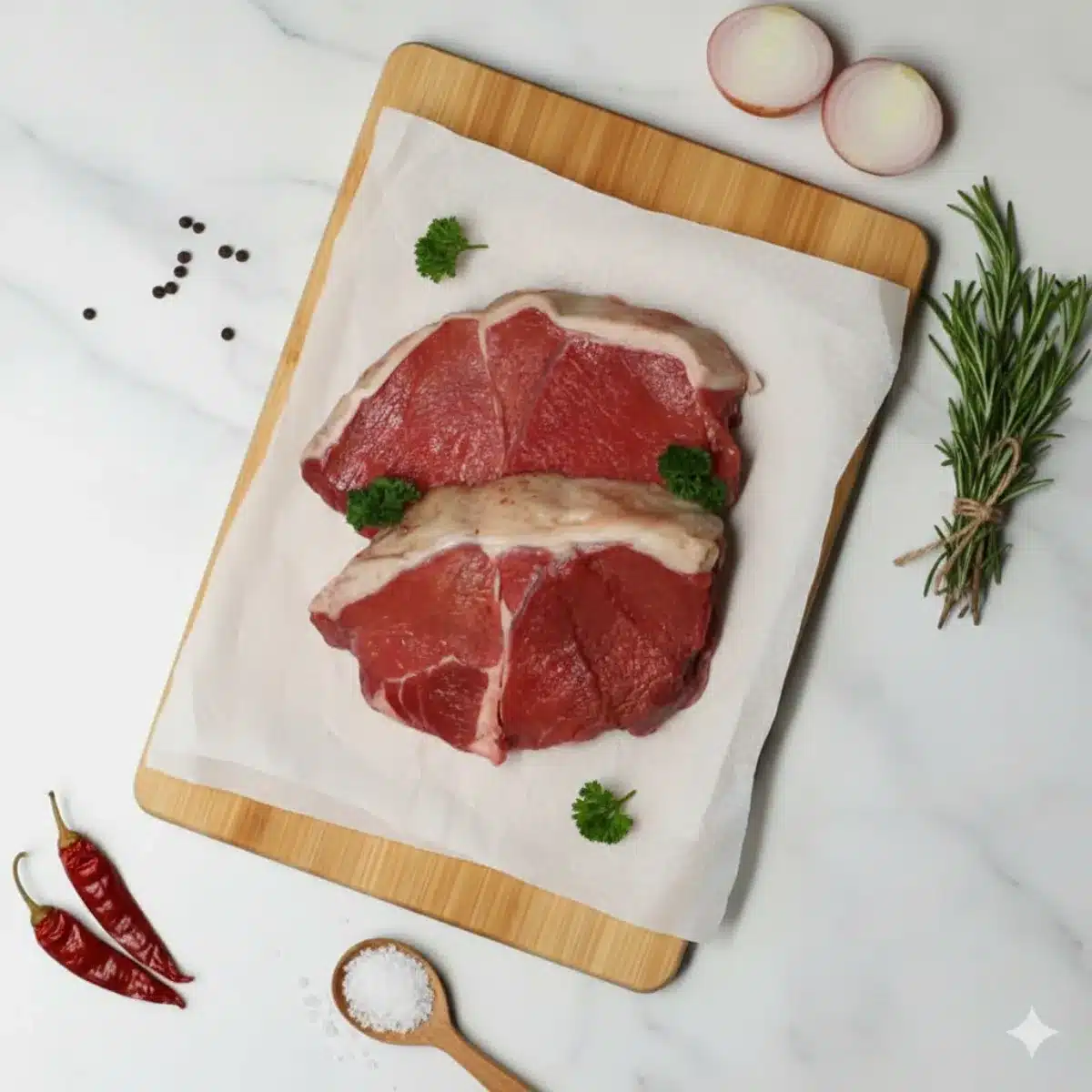
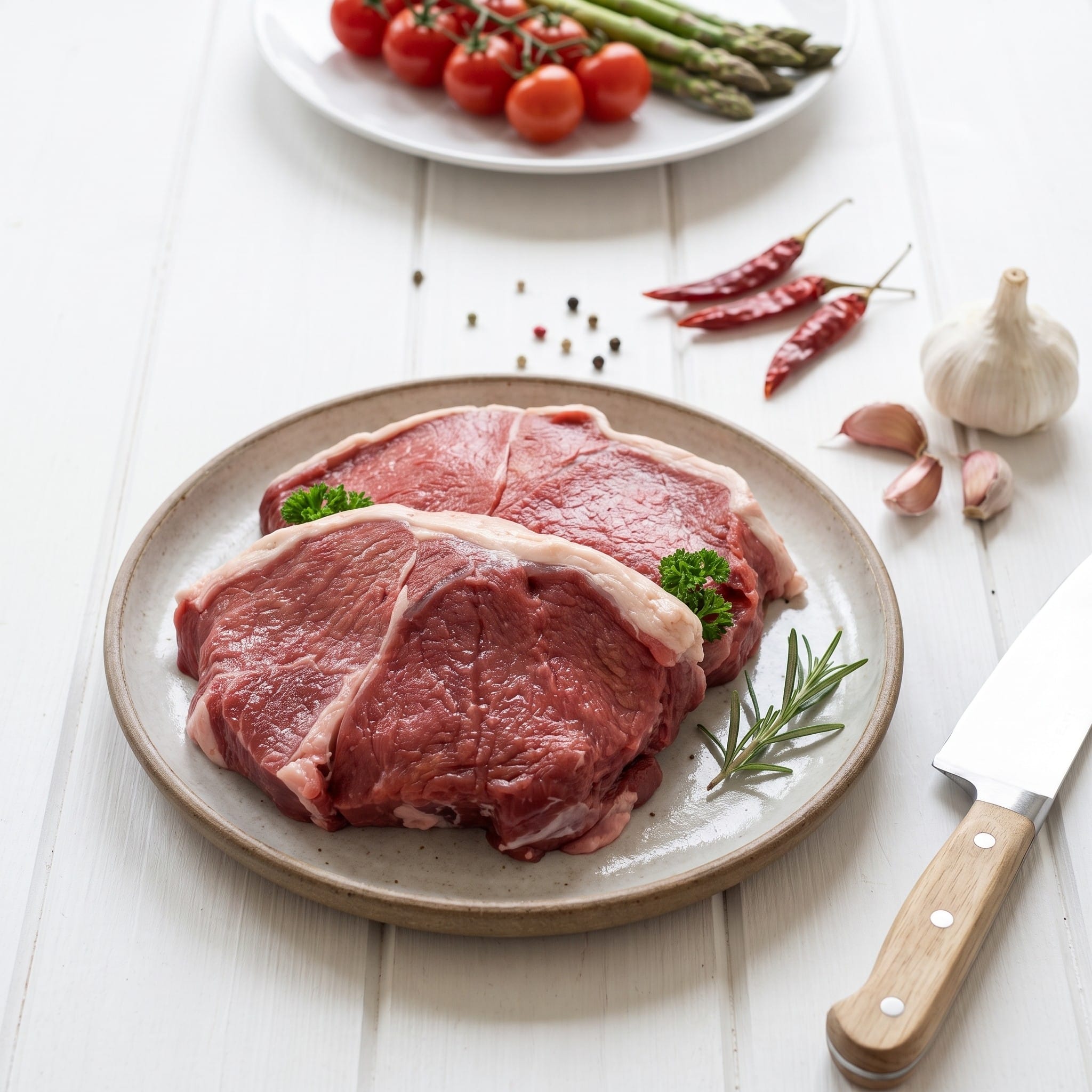
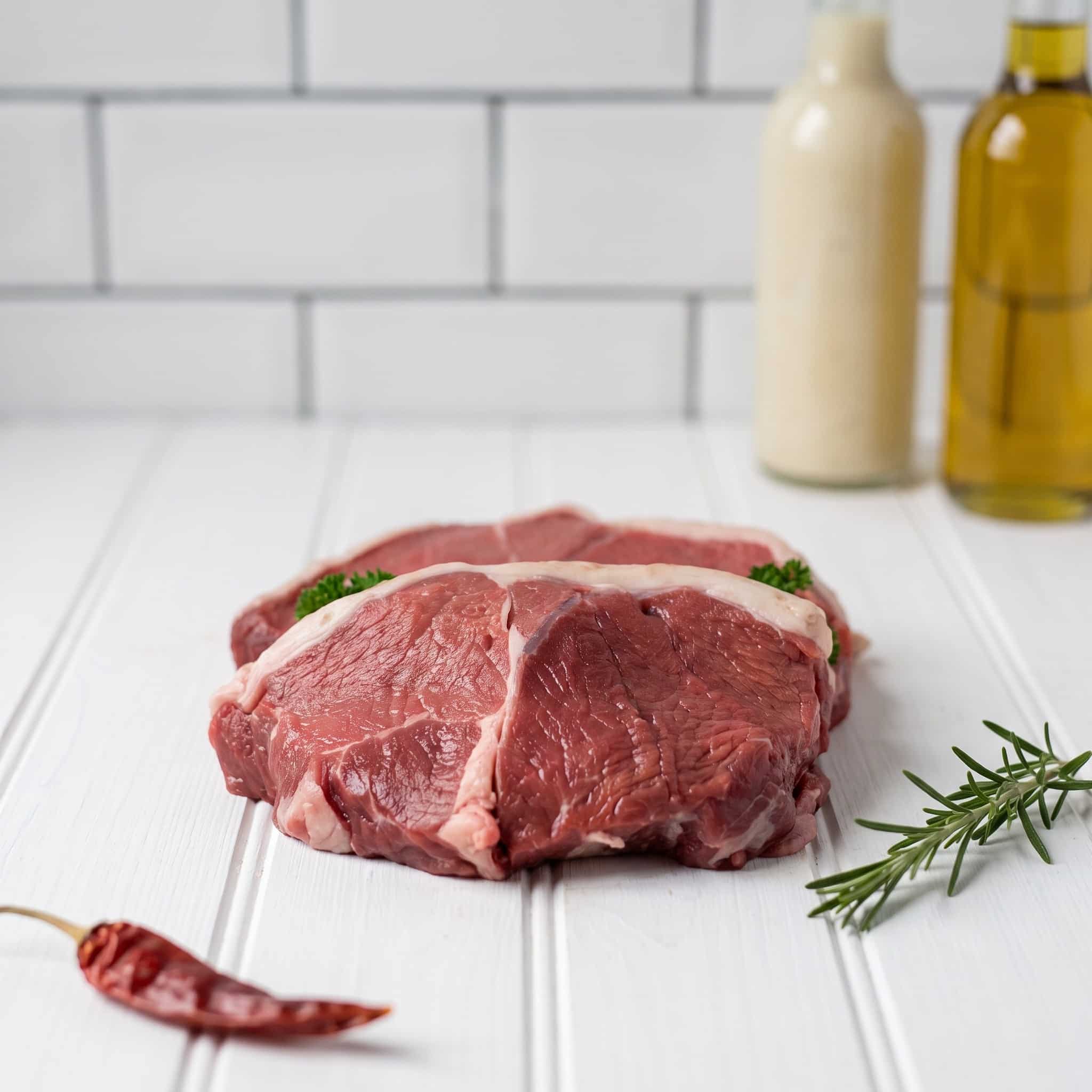
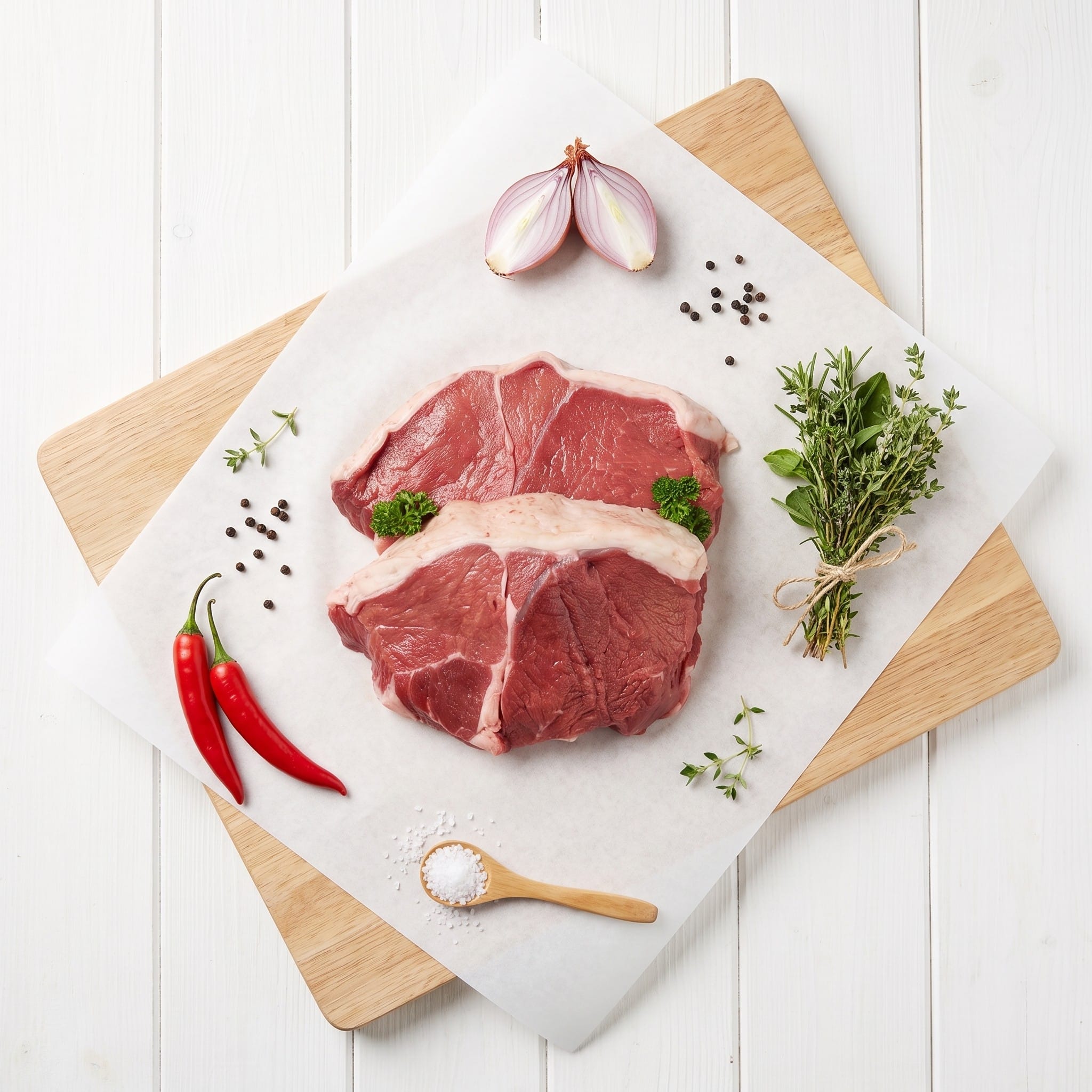
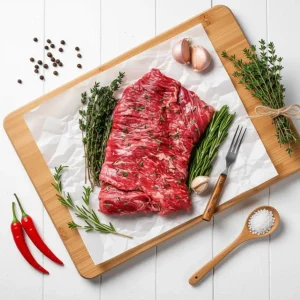
The blade steak comes from the heavily worked shoulder section of the animal — a muscle that does real work, which means it develops serious flavour. Cut from grass-fed Australian yearling beef, it has a distinctive line of connective tissue running through the centre that makes it too tough for fast grilling but absolutely perfect for the slow cooker, for braising, or for a long, gentle simmer.
Cook it right, and you will be rewarded with meat so tender it yields to the fork. The blade's deep, beefy flavour stands up to bold seasonings, rich sauces, and hearty vegetables. It is one of the most affordable cuts in the cabinet, and when treated with patience, it delivers a result that rivals far more expensive steaks.
Blade steak is also surprisingly versatile. Keep it whole and braise it in a casserole. Dice it for a rich, slow-cooked stew. Cut it into strips for a quick stir-fry where a short, high-heat sear keeps it tender. However you use it, the key is to either cook it very slowly with moisture, or very quickly over high heat — anything in between and the connective tissue will stay tough.
Quick Facts
- Type/Cut: Blade steak (from the shoulder/chuck section)
- Beef type: Grass-fed Australian yearling beef
- Key features: Rich, deep beef flavour, connective tissue running through the centre, affordable cut, versatile
- Best for: Slow cooking, braising, simmering, stewing, stir-fry (cut into strips)
- Flavour/texture: Deep, robust beef flavour — tough when grilled but meltingly tender when slow cooked or braised
- Prep notes: Marinate before searing to infuse flavour and assist tenderising. Cook low and slow with liquid, or very quickly over high heat — avoid medium cooking methods.
Why You'll Love It
- One of the most flavourful cuts on the animal — the shoulder muscle develops deep, rich beef character through constant use
- An affordable everyday cut that, with the right cooking method, delivers melting tenderness that rivals premium steaks
- Grass-fed Australian yearling beef — clean, natural flavour with the nutritional benefits of grass-fed meat
- Incredibly versatile — keep it whole, dice it for stew, or slice it thin for a quick stir-fry
- The kind of cut that makes slow cooking worth the wait — set it up, let it go, and come back to something beautiful
Cooking Tips
- Marinate the blade steak before searing to add flavour and help tenderise. A simple mix of olive oil, garlic, and a splash of red wine or vinegar works well.
- Sear the steak over medium-high heat in a heavy-based pan until deeply browned on both sides — this builds the flavour foundation for the whole dish.
- Transfer to a casserole dish and add enough liquid to just cover the steak — stock, red wine, or tinned tomatoes all work, depending on your recipe.
- Bring the liquid to a gentle boil, then reduce to the lowest possible heat. Maintain a slow simmer — if the liquid boils, the meat will toughen.
- Cover with a tight-fitting lid and simmer for 70 to 90 minutes, or until the meat is fork-tender and the connective tissue has melted into the sauce.
- For a quick stir-fry, slice the blade thinly across the grain and cook over very high heat for a short time — just enough to sear the outside while keeping the centre tender.
Serving Ideas
- Braise whole with red wine, root vegetables, and woody herbs like rosemary and thyme for a hearty winter meal served over creamy mashed potato.
- Dice and slow cook with tomatoes, olives, and capsicum for a rich ragù to serve over pappardelle with plenty of parmesan.
- Add Blade Steak to your next order for a budget-friendly cut that rewards patience with rich, fork-tender results.


Reviews
There are no reviews yet.