
When you choose grass-fed beef, you're making a decision that benefits not only your health but also the environment and animal welfare. Grass-fed beef boasts a nutritional profile that's hard to beat, with lower fat content and higher levels of omega-3 fatty acids, which can support heart health and weight management. Its rich mix of antioxidants, vitamins, and minerals also plays a role in promoting immune support and skin health. But the advantages don't stop there; you'll find that grass-fed beef aligns with more humane and sustainable farming practices. Curious about how these benefits stack up in detail?
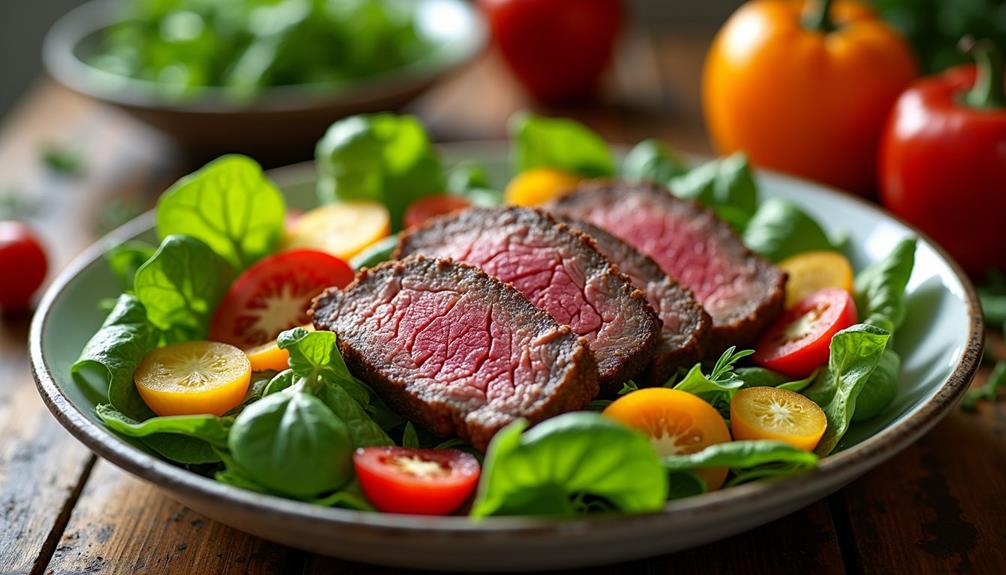
Understanding the nutritional profile of grass-fed beef can significantly impact your dietary choices. When you choose grass-fed beef, you're opting for a leaner cut of meat that's lower in total fat and calories compared to grain-fed beef. This makes it a great option if you're watching your calorie intake or aiming to reduce your fat consumption.
Not only is grass-fed beef leaner, but it also boasts higher levels of heart-healthy omega-3 fatty acids. These essential fats are crucial for your overall well-being and play a vital role in various bodily functions. For instance, Bresaola is known for its lean composition, making it a popular choice among health-conscious consumers. Grass-fed beef offers an ideal balance of omega-6 to omega-3 fatty acids, helping to maintain this important aspect of your diet.
In addition to healthy fats, grass-fed beef is rich in antioxidants, vitamins, and minerals. These nutrients contribute to various health benefits, from boosting your immune system to enhancing skin health. You'll also find conjugated linoleic acid (CLA) in grass-fed beef, which is known for its potential anti-cancer properties.
When it comes to heart health, choosing grass-fed beef over conventional options can make a significant difference. Grass-fed beef generally has lower total fat content, which is essential for maintaining a healthy heart. Less fat means less strain on your cardiovascular system, reducing the risk of heart disease.
Grass-fed beef is also rich in omega-3 fatty acids. These heart-healthy fats are known for their ability to reduce inflammation and lower the risk of heart arrhythmias. By incorporating more omega-3s into your diet through grass-fed beef, you're actively supporting your cardiovascular health.
Additionally, consuming boneless beef short ribs from grass-fed sources ensures you get a tender cut of meat that's both healthier and more flavorful.
Another benefit is the presence of linolenic acid, an omega-6 fatty acid found in higher amounts in grass-fed beef. This particular fatty acid plays a crucial role in promoting heart health by helping to maintain healthy blood vessels and reducing the risk of heart disease.
Moreover, grass-fed beef provides more antioxidant vitamins, such as vitamin E. Antioxidants are vital for protecting your heart from oxidative stress, which can lead to various cardiovascular issues.
While both grass-fed and conventional beef contain saturated fat linked to unhealthy cholesterol levels, consuming grass-fed beef in moderation can offer significant heart health benefits.
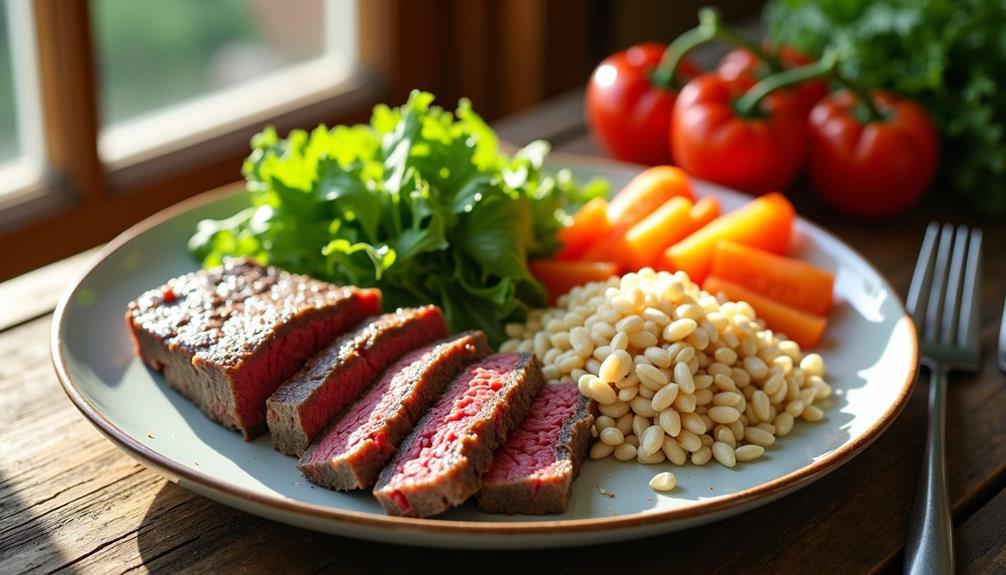
Managing your weight can be a challenging endeavor, but incorporating grass-fed beef into your diet can provide a helpful boost. Grass-fed beef is lower in total fat and calories compared to grain-fed beef, making it a leaner choice that supports weight management. By choosing grass-fed beef, you're getting essential nutrients and protein without the extra unhealthy fats that can sabotage your weight loss efforts.
The higher omega-3 fatty acid content in grass-fed beef is another advantage. Omega-3s can help reduce body fat and promote weight loss, making it easier for you to achieve and maintain a healthy weight. Moreover, the ideal omega-6 to omega-3 ratio found in grass-fed beef can help regulate your metabolism, further supporting weight control. If you're looking for a versatile and flavorful addition to your meals, consider using Big Ricks With a Bite BBQ Sauce, which pairs perfectly with grass-fed beef and can enhance your overall dining experience.
Including grass-fed beef in a balanced diet can also contribute to satiety. When you feel fuller for longer, it's easier to manage your caloric intake and avoid overeating. This makes grass-fed beef a valuable addition to your weight management plan, helping you stay on track while still enjoying nutritious and satisfying meals.
Aside from aiding in weight management, grass-fed beef also offers significant benefits for your immune system. It's packed with immune-boosting nutrients like zinc and selenium, which play crucial roles in maintaining a robust immune response. These minerals help your body fight off infections more effectively and keep your immune system functioning at its best.
Grass-fed beef is also rich in omega-3 fatty acids. These healthy fats are known for their anti-inflammatory properties, which can help reduce chronic inflammation and support a healthier immune system overall. By incorporating grass-fed beef into your diet, you're not only getting essential nutrients but also promoting a balanced immune response.
Another major advantage is that grass-fed beef is free from antibiotics and hormones. These substances, commonly found in conventionally raised beef, can negatively impact your immune function. By choosing grass-fed, you avoid these potential risks and support a cleaner, more natural approach to your diet.
Moreover, grass-fed beef contains higher levels of vitamin E, an antioxidant that promotes immune health and protects your cells from damage. This nutrient-rich profile makes grass-fed beef a powerful ally in supporting your overall immune health.
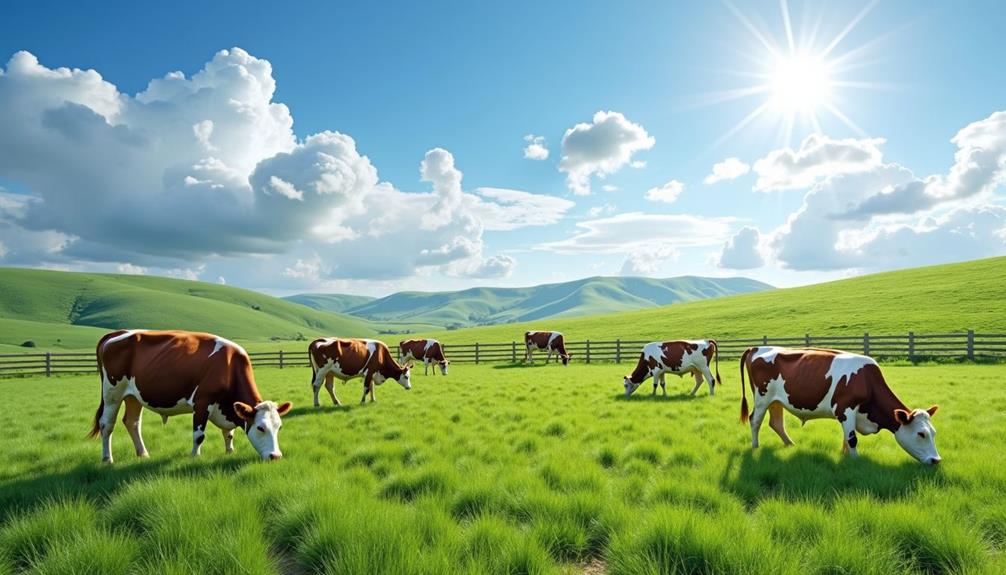
Many people don't just choose grass-fed beef for its health benefits, but also for the improved animal welfare it promotes. When you opt for grass-fed beef, you're supporting farming practices that allow cows to graze freely in pastures. This natural setting gives the animals more space and freedom to move, which significantly enhances their quality of life.
Unlike cattle raised in confined feedlots, grass-fed cows enjoy a more humane existence.
These cows aren't given hormones or antibiotics, which not only benefits their health but also ensures they're not subjected to unnecessary medical interventions. By grazing on diverse pastures, cows can also self-medicate naturally, eating plants that help them stay healthy. This method of farming prioritizes the overall welfare and happiness of the animals, making sure they lead better lives.
Choosing grass-fed beef means you're advocating for the humane treatment of animals. You're contributing to a system that respects the natural behaviors and needs of cattle. This humane approach contrasts sharply with industrial farming practices, where animal welfare often takes a back seat.
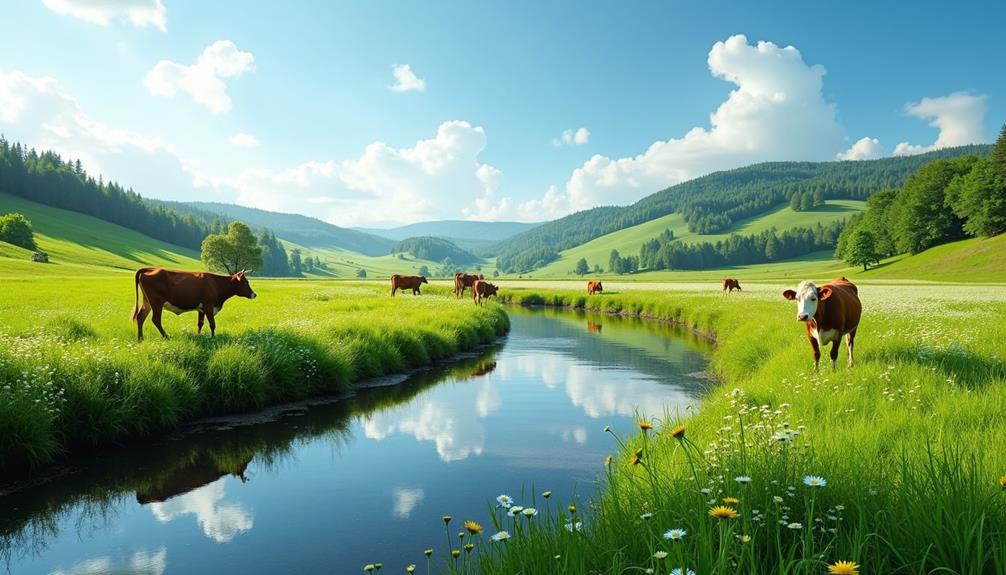
When you choose grass-fed beef, you're not just making a healthier choice for yourself but also for the planet. Grass-fed beef promotes sustainable farming practices by reducing greenhouse gas emissions. Unlike conventional methods, which often rely on grain-feeding and confined spaces, grass-fed cattle graze freely on pastures.
This natural grazing cycle helps sequester carbon in the soil, reducing the overall carbon footprint of beef production. By opting for grass-fed beef, you help preserve natural resources. Conventional beef farming can deplete soil nutrients and lead to water pollution from runoff containing synthetic fertilizers and pesticides.
Grass-fed practices, on the other hand, support soil health and minimize pollution, ensuring cleaner water and richer soil. Additionally, grass-fed beef production supports biodiversity. Allowing cattle to graze on diverse pastures encourages the growth of various plant species, fostering a healthier ecosystem.
This contrasts sharply with monoculture farming, which can harm local flora and fauna. Moreover, grass-fed beef aligns with humane farming standards, eliminating the need for hormones and antibiotics. This not only improves animal welfare but also reduces the risk of chemical runoff into the environment.
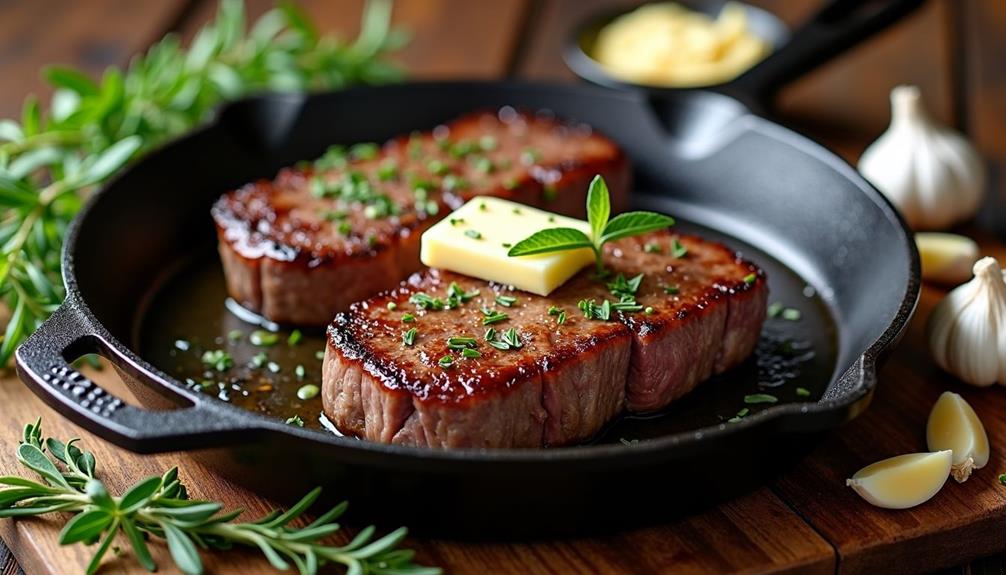
Cooking grass-fed beef requires a slightly different approach due to its lower fat content, which makes it cook faster than grain-fed beef. To start, always thaw your grass-fed beef in the refrigerator and let it sit at room temperature for about 30 minutes before cooking. This helps ensure even cooking.
Preheating your grill, pan, or oven is crucial. A hot cooking surface will sear the meat quickly, locking in those delicious juices and flavors.
When handling grass-fed beef, use tongs instead of a fork. Piercing the meat with a fork can cause it to lose precious juices, resulting in a drier final product.
Remember, grass-fed beef cooks faster, so keep a close eye on it to avoid overcooking. Opt for lower temperatures and shorter cooking times, especially if you prefer your beef medium-rare or medium.
Lastly, always look for a good butcher when purchasing grass-fed beef. They know their supplier and can ensure that the beef comes from animals that weren't fed any antibiotics, hormones, or grains. By following these tips, you'll maximize the flavor and tenderness of your grass-fed beef, making your meals both healthy and delicious.
Choosing grass-fed beef offers you numerous benefits, from heart health and weight management to immune support. You're not only nourishing your body with better nutrition, including higher omega-3s and antioxidants, but you're also supporting humane animal treatment and sustainable farming. By opting for grass-fed beef, you're making a conscious choice that benefits both your health and the environment. So next time you're at the butcher, ask for grass-fed beef and enjoy its superior quality and taste.
