
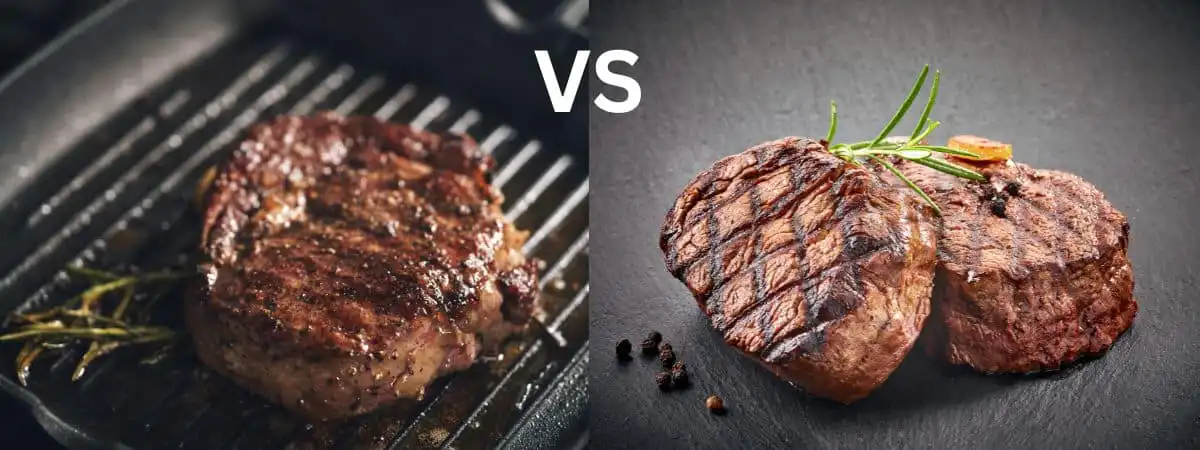
I'm often asked this common question when serving steaks at the Cook Your Own Steak Night we have at a local Bowling Club. Understanding the differences between Scotch Fillet vs Eye Fillet can elevate your steak-cooking game and make you the star of your next dinner party.
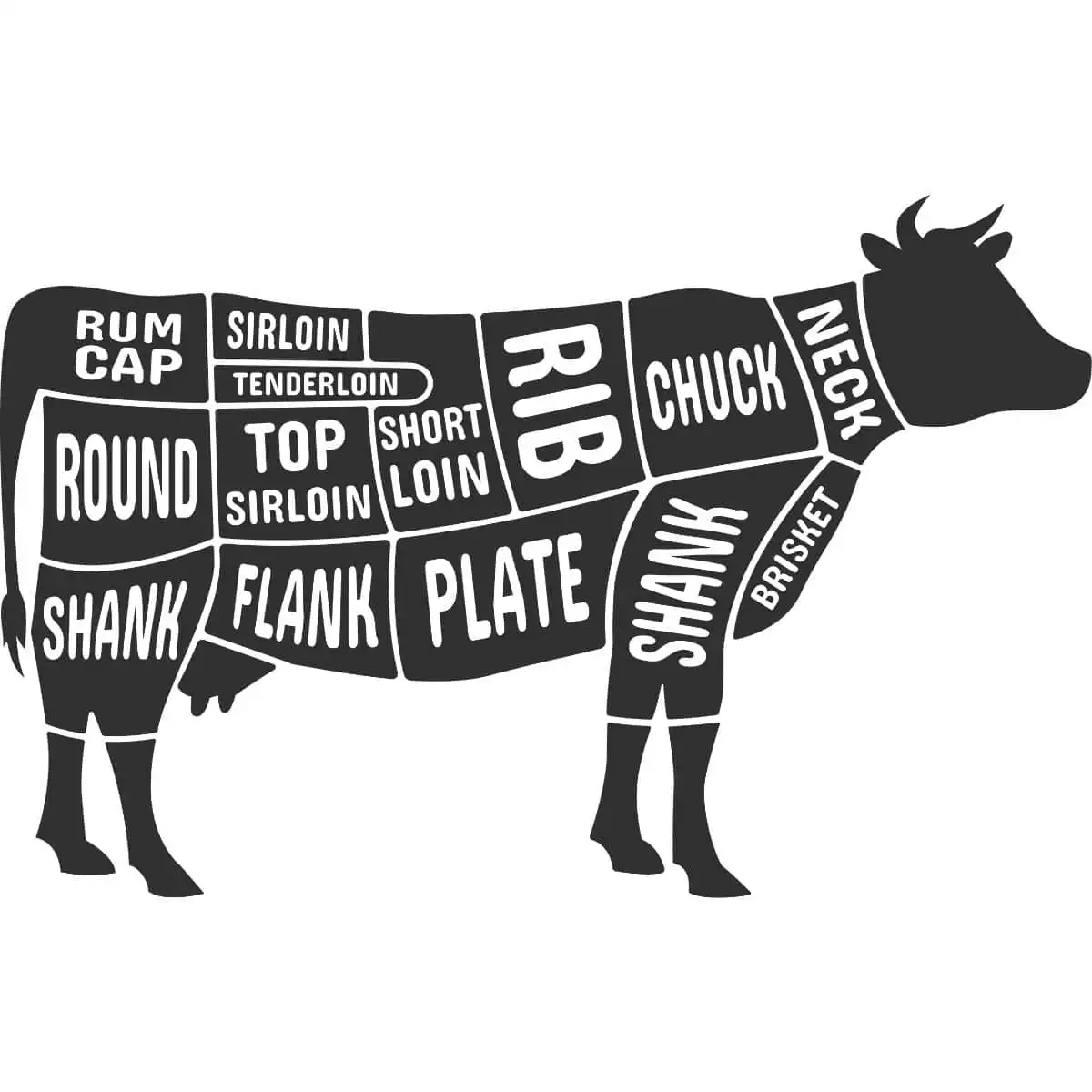
Scotch fillet, known for its rich marbling and robust flavour, hails from the cow's rib section, while the eye fillet, a more delicate cut, comes from the loin. Whether you're a casual cook or a barbecue aficionado, knowing the nuances of these two cuts—Scotch Fillet vs Eye Fillet—is essential for creating the perfect meal. From cooking methods to flavour profiles, these steaks have distinct characteristics that cater to various taste preferences.
In this article, we'll dive deep into what sets Scotch fillet apart from eye fillet, covering everything from texture and tenderness to price differences. By the end, you’ll be equipped with the knowledge you need to make the perfect choice for your next steak night featuring Scotch Fillet vs Eye Fillet.
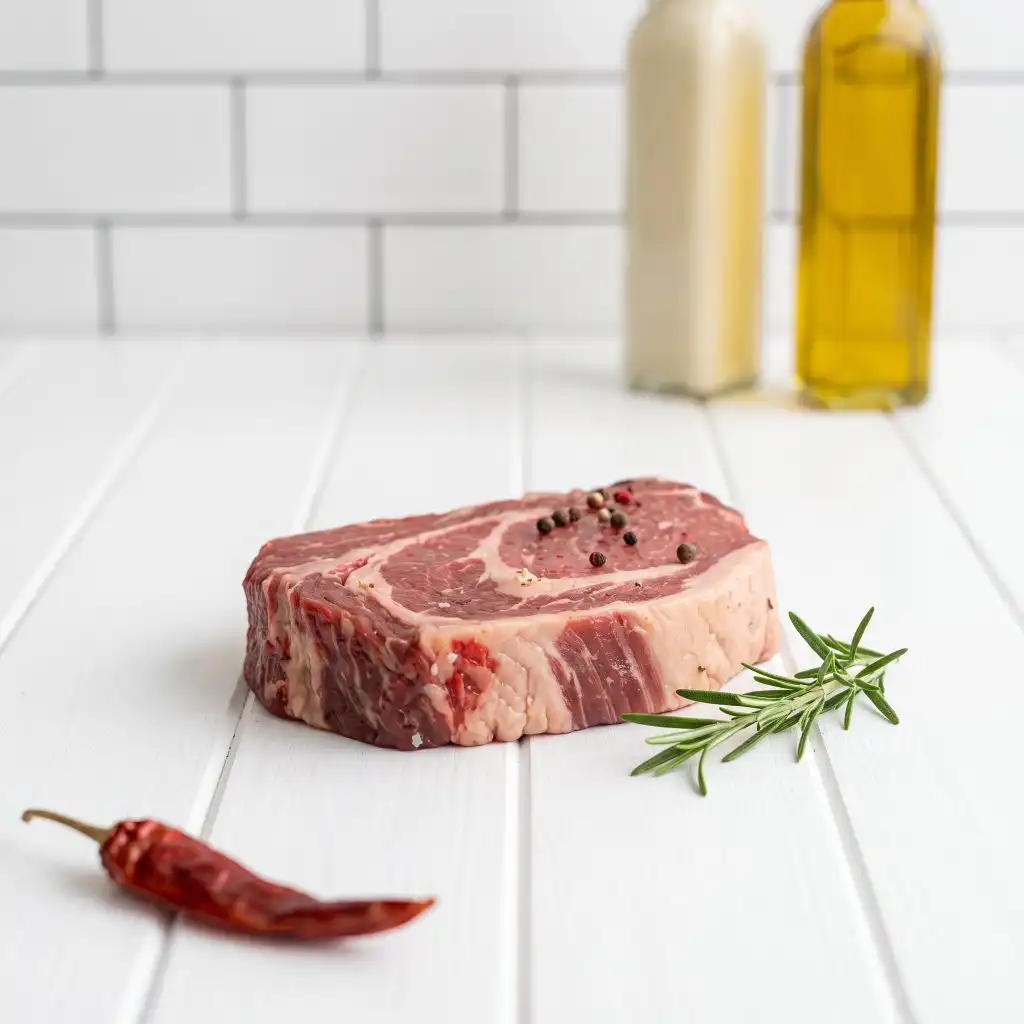
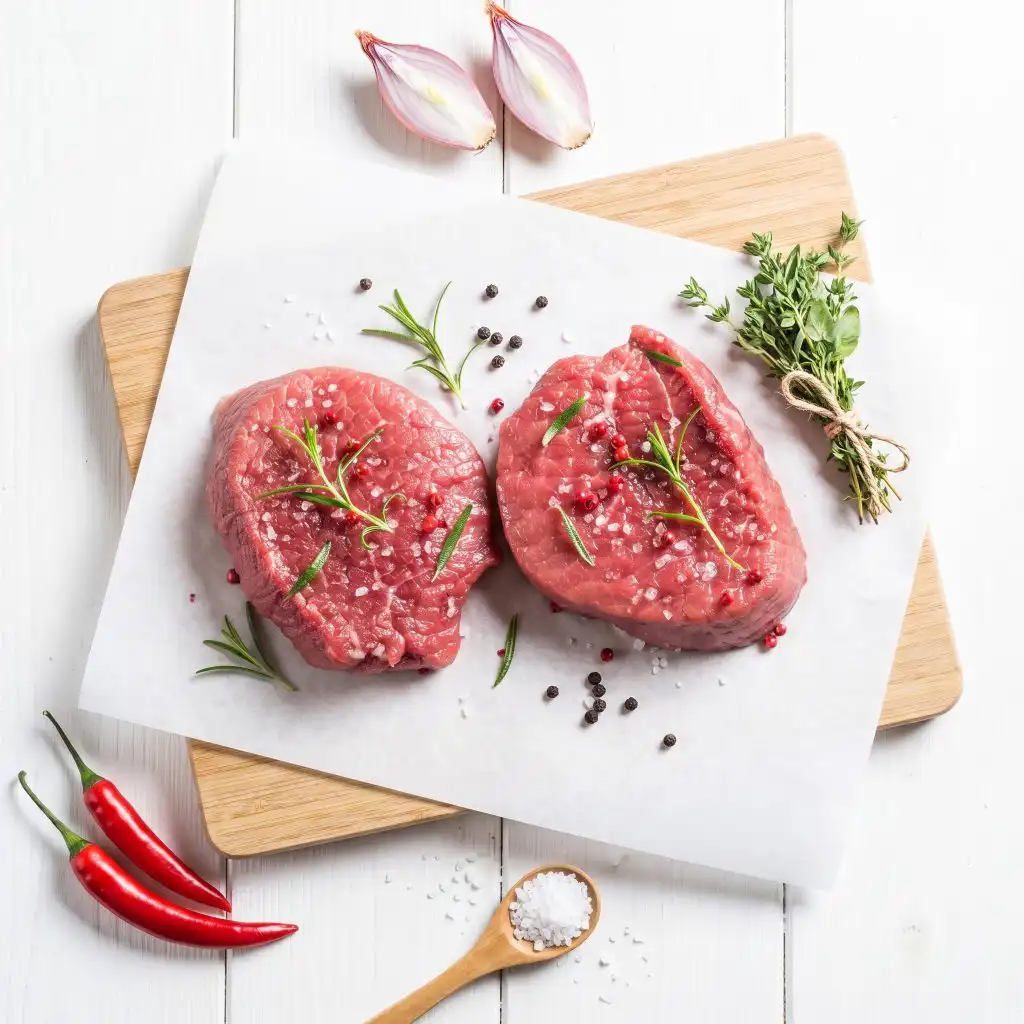
Also known as rib fillet, scotch steak, or rib eye, this delightful cut comes from the rib section of the animal. It's known for its rich marbling, giving the steak its luscious flavour and juiciness. Whether you're firing up the barbecue or using a frying pan, the Scotch fillet promises a delectable experience for steak lovers everywhere. Just be sure to pick a piece with a vibrant colour and visible marbling to get the most out of its natural flavours.
Scotch fillet originates from the boneless beef rib section, celebrated for its robust flavour. Meanwhile, the eye fillet, also known as beef tenderloin in the US or fillet steak in the UK, comes from the tenderloin muscle along the animal's backbone. Eye fillets are prized for their extraordinary tenderness and exclusivity, commanding heftier price tags. While the Scotch fillet is recognised in New Zealand, Americans refer to it as a boneless rib-eye. Both cuts are beloved across cultures, offering distinct tastes and exceptional tenderness.
The Scotch fillet truly shines with its rich marbling. This aspect enhances its flavour profile, making each bite juicy and tender. When comparing with the eye fillet, the Scotch fillet often takes the crown as the more flavour-filled choice. On the other hand, the eye fillet is a dearer option due to its supreme tenderness. Serve your Scotch fillet rare to spotlight its richness, perhaps with a glass of Cabernet Sauvignon to offset its juiciness—yum!
Eye fillet steaks are an absolute dream when it comes to tenderness. Cut from the tenderloin, a muscle that rarely moves, these steaks offer a melt-in-your-mouth feel. However, they are leanness incarnate, so overcooking might dry them out a little too easily. The Scotch fillet, or ribeye, delivers marbling magic, with fat streaks adding tenderness and flavour for a juicy texture. As it nestles beneath the ribs, the eye fillet benefits from minimal muscle work, offering a succulent steak experience.
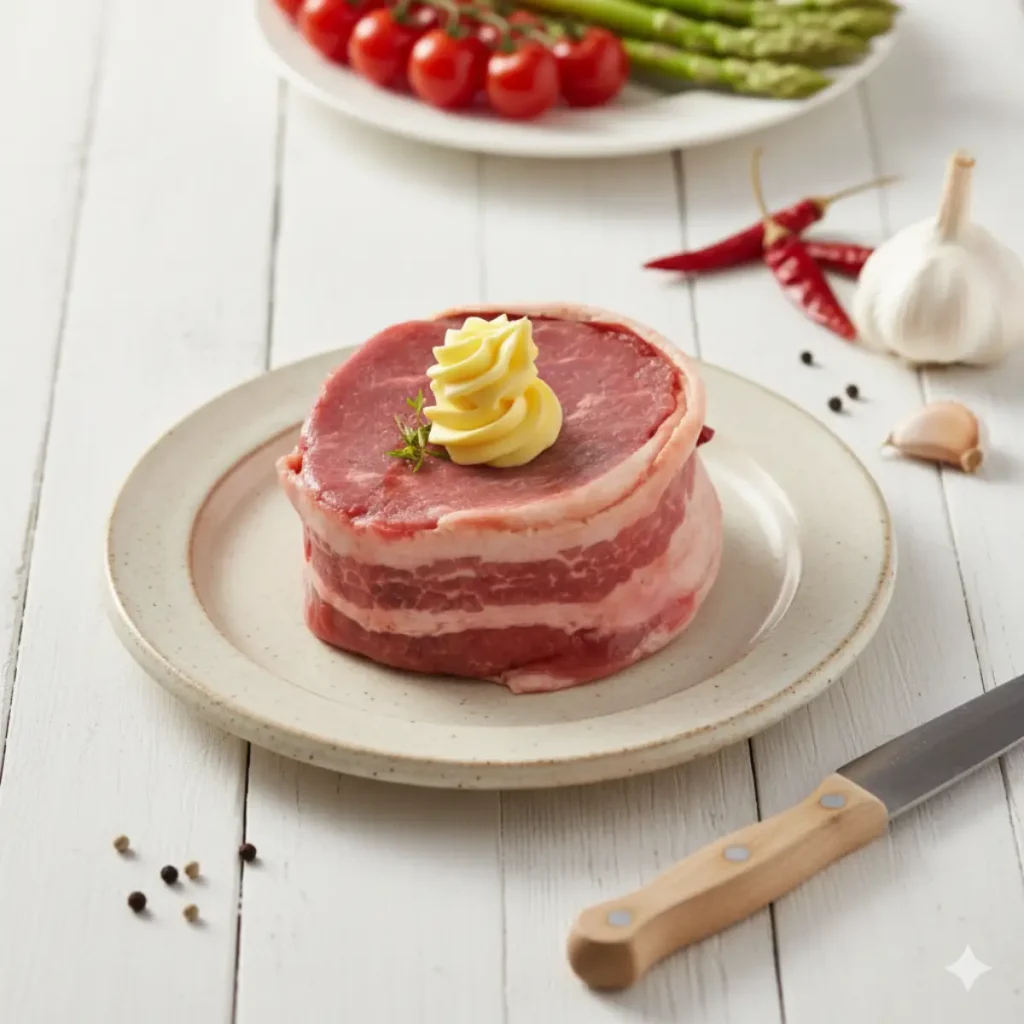
The eye fillet, also known as tenderloin or fillet steak, is a prime cut beloved by steak lovers. Originating from the strip of muscle tucked against the animal’s backbone, this cut is highly coveted for its exceptionally tender texture and cylindrical shape.
Despite its tender charm, the eye fillet might sometimes fall short in flavour compared to other cuts of steak, such as the robust Scotch fillet or ribeye. But pair it with a delightful sauce, and you've got the perfect tender steak experience!
Here's to those who fancy a subtle flavour and the most exquisite cuts of beef. The eye fillet surely offers a taste of luxury with every bite. Whether you enjoy it as a filet mignon or other forms, this cut remains in a league of its own.
When it comes to steak, flavour is king. Different cuts offer a variety of taste experiences, each appealing to different palate preferences. Let's delve into the flavour profile of some popular cuts of beef, including the scotch fillet and eye fillet.
The scotch fillet, promises a delectable punch of robust and rich flavour. This is largely due to its higher fat content and marbling, which not only enhances its taste but also ensures the steak remains juicy during cooking. It's the melt-in-your-mouth kind of meaty goodness that steak lovers crave. The marbling allows for a meaty taste that becomes even more sumptuous as it cooks, making it a favourite among those who relish a steak with high flavour intensity. You can expect a juicy, tender experience whether you choose to leave the bone in for added depths of flavour or opt for the boneless variety.
The eye fillet, or tenderloin, is the definition of tenderness. While it's supremely soft, this cut is known for its subtler flavour profile. Its low-fat content means it doesn't have that same marbly richness as its scotch counterpart. Hence, to truly enjoy the gentle taste of the eye fillet, you might want to add a sauce or seasoning that complements its natural flavours. If you're after a more tender bite that whispers luxury, opt for the eye fillet, but remember—a bit of seasoning or a sauce could make all the difference to bring out its mild notes.


Cooking methods can make or break the perfect steak experience. Here’s how different techniques cater to these classic cuts:
For the scotch fillet, its richness and fat content make it perfect for quick cooking methods. Grill it, pan-fry it, or toss it on the BBQ; you're set for a mouth-watering treat. A rare scotch fillet needs about three minutes per side, while medium takes roughly four. Keep it quick to accentuate its rich flavours!
On the other hand, the eye fillet thrives in versatile cooking styles—whether barbecuing, frying, or pan-searing. Aim for medium-rare to allow its tenderness to shine without overshadowing its delicate taste. The balance of technique and timing is crucial for this buttery delight, ensuring its texture remains soft and its subtle flavours aren't lost.
No matter which cut tickles your fancy, remember that each has its charm—from the robust richness of scotch fillet to the tender whispers of eye fillet. Cook them with care and let your taste buds revel in meaty joy!
When it comes to choosing the perfect steak, understanding the texture and tenderness of different cuts of beef is essential. The primal muscle group from which the meat is sourced plays a significant role in determining these characteristics.
The eye fillet, known for its exceptional tenderness, is sourced from the spine, where the muscles do minimal work. This unique location gives it a melt-in-your-mouth quality that's highly prized in high-end dining. On the other hand, scotch fillet, though tender, boasts a richer, juicier flavour thanks to its marbled fat content.
While both cuts provide a delightful steak experience, their texture and natural flavours offer distinct dining experiences. In contrast, tougher cuts like chuck steak gain a buttery tenderness through slow cooking methods, unlocking their robust flavour profiles.
Scotch fillet, often known as rib eye steak, is a favourite among steak lovers for its marbling of fat that runs throughout. This marbling not only enhances its meaty flavour but also ensures a juicy, succulent bite. The high-fat content makes it perfect for grilling and pan-frying, where its own rich flavours do the talking without the need for added fat.
The texture improves during cooking, delivering a tender steak that's hard to resist. Pair it with a robust Shiraz, and you’ll find the tannins and fat work together in perfect harmony, elevating your dining experience to another level.
Eye fillet, also known as beef tenderloin or tenderloin steak, comes from the tender strip of muscle hugging the backbone. As one of the pricier cuts of beef, eye fillet is celebrated for its tenderness and mild flavour. Its lean nature means it doesn’t have the meaty richness of scotch fillet but makes up for it with an unmatched soft and succulent texture.
Cooked best to medium rare, eye fillet showcases its natural tenderness, providing that luxurious, melt-in-your-mouth feeling without much fuss. Its tenderness comes from being part of a muscle that doesn’t see much activity, making it the true definition of a tender steak.
The cooking time for steaks is notably influenced by their thickness. For a steak around 2 to 2.5 centimetres thick, aim for three minutes on each side for a delightful medium rare. Eye fillet, being incredibly tender, should be quickly seared for about the same time to maintain its juiciness and serve it rare.
Similarly, scotch fillet needs just a quick sear to bring out its flavours, making it an equally speedy option in the kitchen.
Be mindful that cuts from different muscle groups require varied cooking techniques. Tougher cuts, such as chuck steak, benefit from the slow approach, ideally suited for a long, leisurely cook to bring out tenderness and unlock their robust flavours.
Grilling or pan-frying not only influences cooking times but also changes the texture and flavour profile, each adding their special touch to your steak meal.
When it comes to steak, there’s a pretty wide range of cuts, each with its own unique flavour and texture profile. (T-Bone Steak, Rump Steak, Sirloin Steak - See our full butchers guide to compare them all)
Two of the prime contenders in the beef universe are the Scotch fillet (or rib eye steak) and the eye fillet. The juicy Scotch fillet, with its marbled riches, is priced at about $14.99. Meanwhile, the eye fillet, a tender, melt-in-your-mouth kind of steak, fetches a higher price, sitting at a cool $20.99. These price tags reflect not just the cut’s size and location on the animal but also the desire for specific textures and flavours among steak aficionados. While premium cuts like the eye fillet boast tenderness, cheaper cuts such as rump deliver a punchy, robust flavour.
Scotch fillet, or ribeye if you like, stands out with its inviting marbling, a hallmark of its rich, meaty flavour. Available in bone-in and boneless varieties, the bone-in version might pinch your wallet a bit more due to the enhanced flavour it delivers. As one of the more indulgent cuts, it’s celebrated for its sumptuousness on the palate, and thickness can also play a role in its price. Pieces around 2cm thick are often easier to work with whilst cooking, which, let’s be honest, makes it a darling among steak enthusiasts. It’s that blend of tenderness and flavour that often pegs it as a pricier option.
The eye fillet, sourced from the tenderloin, is a treasure trove for those seeking a premium culinary experience. Its fame largely stems from its unrivalled tenderness, seeing as it comes from a strip of muscle that doesn’t work much at all. However, what it boasts in tenderness, it may lack in flavour due to its lower fat content. Still, eye fillet steaks shine in their own right, often needing no heavy marination or complex cooking techniques. A good sauce can lift its subtle flavour profile, adding a splash of value to this already prized cut.
Steak pricing is as much about the journey from pasture to plate as it is about weight and size. Cuts like the eye fillet, though small from the carcass, demand a higher price due to their exquisite tenderness and high demand. Abundant beefy treasures, such as rump and oyster blade steaks, are easier on the pocket and punchier in flavour. Furthermore, the way steaks are processed and their suitability for quick cooking can crank up the sticker price. Those who love rich flavours and premium textures might just find themselves reaching deeper into their pockets for that perfect steak experience.
When it comes to choosing between a Scotch fillet and an eye fillet, it really boils down to personal preference and your desired cooking method. Both cuts are highly prized among steak lovers for their tender and flavourful meat, but they offer distinct experiences in taste and texture.
To help you decide, here’s a quick rundown of the main differences between the two:
Here's a table to give you a clear picture:
| Feature | Scotch Fillet (Ribeye) | Eye Fillet (Tenderloin) |
|---|---|---|
| Origin | Forequarter (Rib Section) | Hind Quarter (Tenderloin) |
| Marbling | Rich, visible fat marbling | Minimal marbling |
| Texture | Juicy and meaty | Soft and buttery |
| Cooking Method | High heat (BBQ, grilling) | Broiling, roasting, or pan-seared |
| Cost | Generally less expensive | More expensive |
If you're looking for a steak that packs a punch with a robust, meaty flavour and don't mind a bit of rich, juicy fat, then the Scotch fillet is your match. Its marbling makes it perfect for high-heat cooking like pan-frying or grilling, where it can develop a nice sear.
For those who prioritise supreme tenderness and a subtle flavour, the Eye fillet is the way to go. Though pricier, it's perfect for occasions where you want that luxe, melt-in-your-mouth experience. This cut can be a star when cooked gently on a stovetop or oven, ensuring its delicate texture is preserved.
Ultimately, it's all about what you value most in a steak – the intense buttery richness of a scotch fillet or the succulent tenderness of an eye fillet. Either way, you're in for a delightful treat!
Want to go deeper on the eye fillet specifically? Our complete guide to eye fillet steak covers exactly what the cut is, why it's the most tender steak on the animal, and how to cook it without drying it out.
