
Imagine the sizzle of perfectly cooked great tasting sausages, their aroma filling the kitchen and making your mouth water. Achieving that level of perfection starts with selecting the right cuts of meat, ensuring an ideal balance of lean and fat. You might be surprised at how much the choice of herbs, spices, and even vegetables can impact flavor and texture. But there's more to it than just ingredients; the methods of mixing, cooking, and even resting the sausages play crucial roles. Curious about how these elements come together to create that unforgettable bite? Let's explore further.

How do you ensure your sausages burst with flavor? Start by selecting the best meat. Opt for pork shoulder because its ideal fat content and flavor profile make it a top choice. Fresh, high-quality meat is essential for creating sausages that are not only delicious but also succulent and mouthwatering. Another excellent cut to consider is brisket, silverside and chuck which has a slightly open grain with marbling, ensuring a tender and flavorful sausage.
When choosing your meat, always look for cuts with the correct fat content. This enhances the richness and overall taste of your sausages. A good balance of lean meat and fat is crucial for achieving the right texture and juiciness. You don't want your sausages to be too dry or too greasy, so careful selection is key.
Make sure your meat stays cold throughout the process. Keeping it chilled helps maintain a juicy and tender texture, which is vital for high-quality sausages. Experimenting with different cuts of meat and seasoning can also lead to unique and delicious creations
Achieving the optimal meat-to-fat ratio is essential for making great tasting sausages. Aiming for around 70% lean meat to 30% fat will give you the best results. This balance is crucial because it ensures your sausages are juicy, flavorful, and have the right texture. Too much fat can make them greasy, while too little fat can make them dry and tough. Additionally, using premium, grass-fed beef can enhance the flavor and nutritional value of your sausages.
Fat does more than just add flavor; it helps bind the ingredients together, contributing to the sausage's overall succulence. Keeping the fat content in check also ensures that your sausages maintain a pleasant mouthfeel and don't fall apart during cooking.
Experimenting with different meat-to-fat ratios can help you customize your sausages to your preferred taste and texture. Maybe you enjoy a slightly leaner sausage, or perhaps you prefer it a bit richer. Either way, adjusting the ratio allows you to find what works best for you
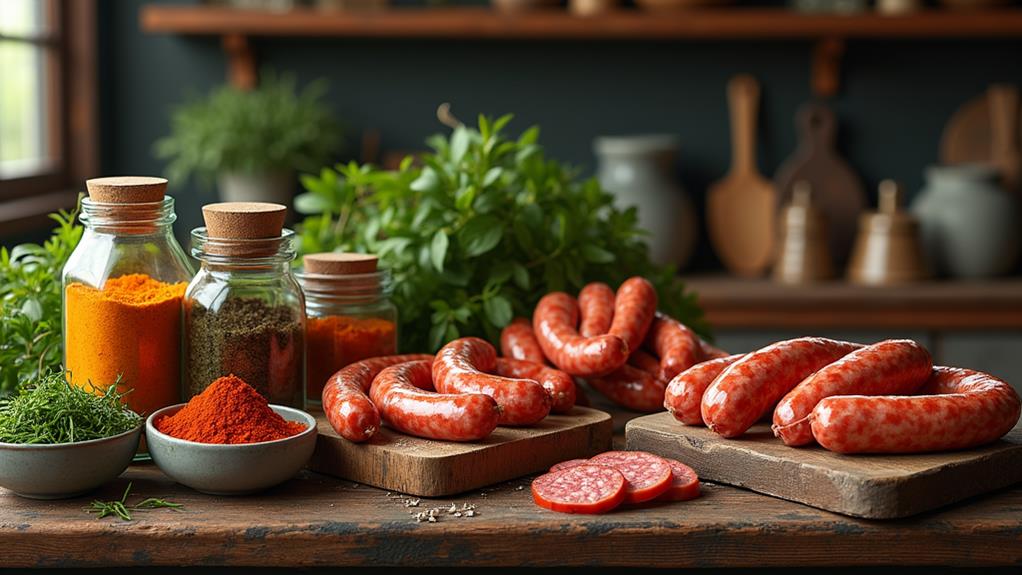
Balancing essential seasonings is crucial to crafting great tasting sausages. Start with the basics: salt, pepper, paprika, garlic powder, and onion powder. These provide a classic flavor profile that's both familiar and satisfying. Expertly blended with a selection of herbs, spices, and seasonings, these sausages offer delicious results. But don't stop there—experimentation is key. Incorporate fennel seeds, coriander, cayenne pepper, or mustard seeds to create unique and flavorful sausages that stand out.
The key is balance. You want your seasonings to complement the meat, not overpower it. Too much of any one spice can throw off the entire taste. Fresh herbs like parsley, thyme, rosemary, or sage can also elevate your sausages with aromatic and earthy notes, adding depth and complexity to every bite.
Personalize your seasonings based on your tastes and regional influences. Maybe you enjoy a bit more heat, or perhaps you prefer a touch of sweetness. Customizing your spice mix allows you to develop signature sausage recipes that truly reflect your culinary style
After you've mastered the art of balancing seasonings, it's time to focus on keeping your sausages juicy and succulent. Proper moisture retention is crucial for ensuring every bite bursts with flavor. You can use hydrocolloids like carrageenan and alginate to bind water molecules to meat proteins, enhancing moisture retention.
Hydrocolloids such as carrageenan, alginate, xanthan gum, and cellulose derivatives are natural gelling agents used in sausage making.
Maintaining the right cooking techniques also plays a big part. Poaching or steaming your sausages can help lock in moisture, preventing them from drying out. Remember, high heat is your enemy here; avoid it to keep your sausages from losing their juiciness. For those with dietary restrictions, consider using gluten free crumb options to maintain both moisture and flavor.
Another tip is to incorporate herbs, spices, and even vegetables. Not only do these additions boost flavor, but they also contribute to better moisture retention. For instance, adding finely chopped onions or bell peppers can make a big difference in the final texture and juiciness of your sausages.
Keeping your meat and fat cold throughout the process is another key factor. Cold ingredients help maintain a tender texture, ensuring that your sausages remain juicy. By focusing on these techniques, you'll elevate your sausage-making skills and create mouthwatering results every time
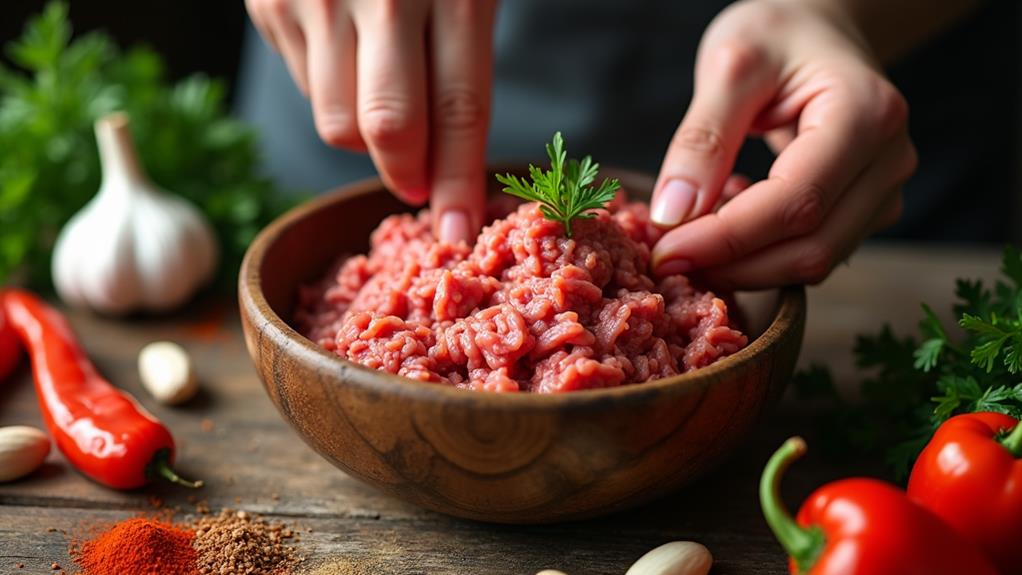
Properly mixing your ingredients is a critical step in making great tasting sausages. You need to ensure a perfect balance of lean meat and fat to create juicy and flavorful sausages. Start by keeping everything cold. Cold meat and fat help maintain a tender texture and prevent the fat from melting prematurely.
When you mix your ingredients, be mindful not to overdo it. Overmixing can make your sausages tough. Blend the meat, fat, and seasonings just enough to combine them evenly. This ensures that every bite bursts with consistent flavor. Even distribution of seasonings is key, so take your time to incorporate them well so you will have great tasting sausages.
Work in a cold environment, whether that means chilling your mixing bowl or working in a cool room. This helps maintain the integrity of your fat, binding the ingredients together effectively. Mixing plays a significant role in developing the desired texture, so don't rush this step
Once your ingredients are mixed to perfection, it's time to focus on filling the casings. Properly filling sausage casings ensures even distribution of ingredients for consistent flavor. To start, use a sausage stuffer or a piping bag to fill the casings efficiently and avoid air pockets. Air pockets can disrupt the texture and cause uneven cooking, so it's crucial to work carefully.
Keep in mind, leaving enough space in the casings is essential to prevent bursting during cooking. Overfilling can lead to sausages splitting open, which not only looks unappealing but also affects taste and texture. Aim for a firm but not overly tight fill to achieve the best results.
Filling casings requires practice to get the right firmness and shape. Don't get discouraged if your first few attempts aren't perfect. As you become more experienced, you'll develop a feel for the right amount of pressure and filling needed.
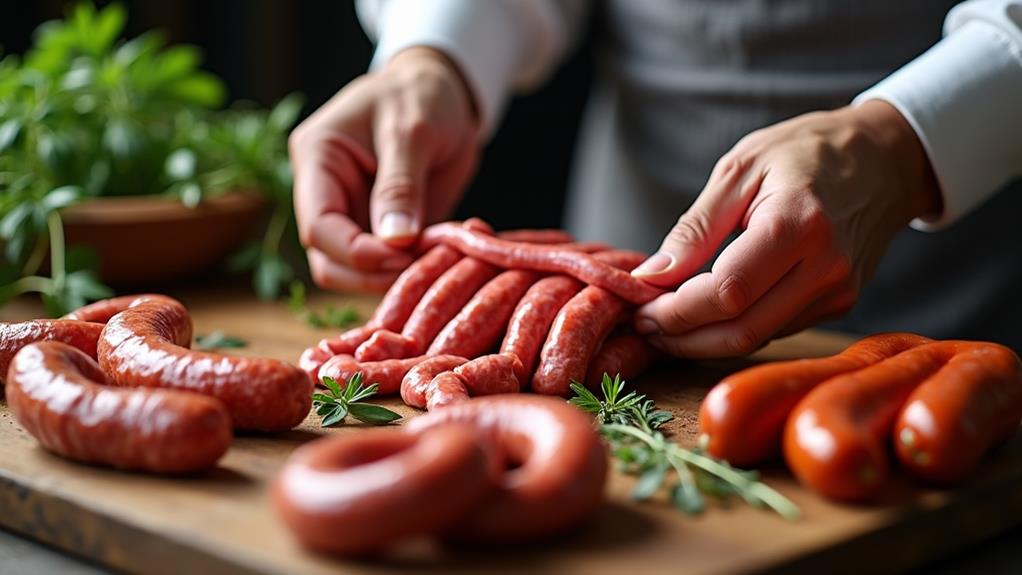
Now that your sausages are filled, it's time to focus on tying and twisting them to ensure they hold their shape during cooking. Tying and twisting sausages is a traditional method that not only shapes the sausages but also secures the filling within the casing. This step is crucial for preventing your sausages from bursting while cooking.
To start, twist the sausages at regular intervals to create individual links. This makes portioning easier and ensures uniform size and shape. A good rule of thumb is to twist them every four to five inches, but you can adjust based on your preferred link size.
After twisting, it's time to tie the ends. Use butcher's twine to tie a knot at the end of each link. This provides extra security, ensuring the filling stays in place. The technique requires practice, but with time, you'll achieve consistent results and a professional appearance.
Cooking sausages to perfection involves selecting the right method to preserve their flavor and texture. One of the best ways to ensure evenly cooked, juicy sausages is by using the oven. Preheat your oven to 200C (180C if it's fan-forced) to achieve that ideal golden exterior. Place the sausages on a rack within a roasting tray; this setup allows the heat to circulate and cook the sausages evenly for about 15 to 20 minutes.
Avoid the common mistake of pricking the sausages before cooking. While it might seem like a good idea to release excess fat, it actually leads to dryness and loss of flavor. Keeping the sausages intact helps retain their natural juices and enhances the overall taste.
Once you've finished cooking, let the sausages rest for a few minutes before serving. This resting period allows the juices to redistribute throughout the sausage, resulting in a more flavorful and tender bite. By following these simple yet effective cooking methods, you'll be well on your way to making sausages that are not only delicious but also perfectly textured every time.
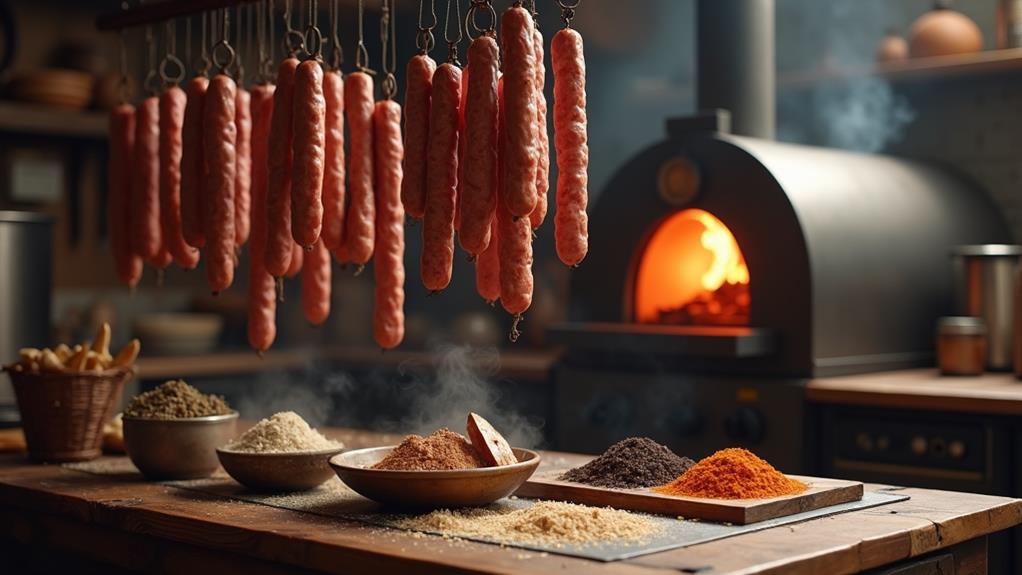
Smoking and curing sausages elevate their flavor profile by infusing them with rich, smoky notes and preserving them with a mix of salt, sugar, and spices. This process not only enhances taste but also extends the shelf life of your sausages. To start, you'll need to choose your wood carefully; hickory, apple, or cherry can each impart a unique flavor.
When smoking, maintain precise temperature and humidity control. It's crucial for ensuring the sausages are both safe to eat and delicious. Typically, the smoking process can last from a few hours to several weeks, depending on the intensity of flavor you're aiming for.
Curing involves mixing your sausages with a precise amount of salt, sugar, and spices. This blend not only preserves the meat but also infuses it with complex flavors. Keeping the meat and fat cold throughout this process is essential for maintaining a juicy and tender texture.
Proper storage and serving techniques are essential for enjoying your homemade sausages at their best. To maintain freshness and prevent spoilage, store your sausages in the refrigerator at or below 40°F. Leftover sausages should be kept in airtight containers or resealable bags, where they'll stay fresh for up to 3-4 days.
When it's time to serve, reheating your sausages on the stovetop, in the oven, or on the grill ensures optimal flavor retention. Each method brings out different taste profiles, so feel free to experiment with what suits your palate best.
Sausages are incredibly versatile and can enhance a variety of dishes. Slice them up and add to pasta dishes for a hearty meal, toss them into salads for a protein boost, or stuff them into sandwiches for a delicious bite. Their rich flavor can also stand alone, making them a satisfying main course.
Like a symphony, a great sausage balances flavors and textures perfectly. You need a good mix of lean meat and fat for juiciness. Keep everything cold to maintain texture. Experiment with herbs, spices, and different cuts of meat. Quality equipment and casings matter too. Play around with water content and cooking methods like poaching or steaming to keep them moist. Your creativity is the final ingredient for exceptional taste.
To make the perfect sausage, focus on a balanced ratio of lean meat to fat for juiciness and flavor. Keep everything cold to maintain texture. Use precise measurements for seasoning and spices tailored to your meat choice. Experiment with different cuts and flavors to create unique results. Invest in quality equipment and casings for the best outcome. Your thoughtful approach and creativity are key to crafting exceptional sausages.
The most important ingredient in sausage is high-quality meat. You should focus on selecting the right balance of lean meat and fat, typically from pork, to ensure flavor and texture. Don't skimp on quality here; it makes all the difference. Keeping the meat and fat cold throughout the process is crucial to maintain a juicy and tender sausage. So, prioritize excellent meat as your foundation for delicious sausages.
Imagine your sausage as a symphony, with each ingredient playing its part perfectly. You need high-quality meat as the lead, supported by the right amount of fat for a rich harmony. The spices are your orchestra, adding complexity and depth. Keep everything cold to maintain that juicy texture. Cleanliness is your conductor, ensuring every note is perfect. With careful attention, you'll create a masterpiece that sings with flavor.
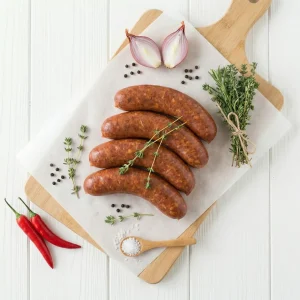
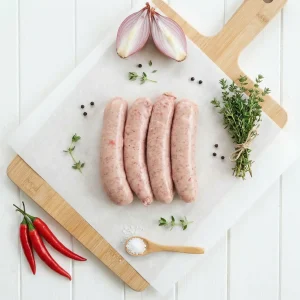
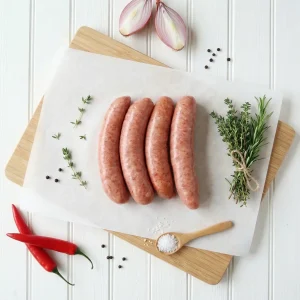
You've now unlocked the secrets to making great tasting sausages. By selecting prime cuts, balancing fat, and seasoning with flair, you're on your way to culinary magic. Don't forget the moisture—think of it as the lifeblood of your creation. Mix with care, twist with love, and cook to perfection. Smoking and curing add the final flourish. Store them right, and you'll always have a symphony of flavors ready to delight your taste buds. Happy sausage-making! And if you want outstanding award winning sausages now then we have a wide range ready for you to order and have delivered to your doorstep.
